Home
Product
Contact
Odm/Oem
About
Production lead time for custom hair accessories is the interval between an agreed production release and an agreed manufacturing milestone. Ask separately for the goods-ready date, carrier handover and warehouse arrival. Packaging, inspection and booking can determine whether your order meets its launch date.
A buyer who asks when the first order will be ready can get several plausible answers. The assembler may mean the day the last clip leaves its station. The warehouse may mean the day all cartons are counted and identified. A forwarder may think of the day the shipment clears a terminal cutoff. Use separate dates when you compare suppliers so you know which parts of the schedule they have priced and planned.
Build the schedule backward from the date your receiving team actually needs stock. A retail launch might require time for warehouse intake, stock allocation and delivery to stores. An online release may depend on the inventory becoming available in the fulfillment system. Treat the first purchase order as one part of that chain. The hair accessory sourcing guide covers the wider purchase process that feeds the same schedule.
| Milestone | What It Means | Evidence To Request |
|---|---|---|
| Production Release | Supplier can start the agreed bulk work | Written release and current specification |
| Goods Ready | Agreed packing and inspection conditions are complete | Accepted report and final carton count |
| Carrier Handover | Goods are transferred under the agreed arrangement | Pickup or terminal receipt for that shipment |
| Warehouse Arrival | Goods arrive at the relevant receiving site | Appointment or delivery confirmation |
Write down the trigger, calendar and finishing milestone. If the quote uses working days, confirm which calendar applies and whether known closures are included. A revised carton count can change the booking date even when the production estimate holds. Mark dates as estimated, committed or actual in your own file and ask the supplier what evidence moves a milestone from estimated to committed.
Use calendar dates where the job crosses months or holidays. Confirm the local time for approvals that must reach another time zone. A buyer’s Friday afternoon can arrive after the factory’s last working hours for the week. Record who can approve a proof when the regular contact is away. If production can start on some variants while others are pending, put the release date against each line of the order.
List the approvals that release the product separately from the approvals that release the packaging. On a new claw clip, product release may require final jaw geometry, spring fit, color reference and logo position. An existing shape in a new material may still need a different finish sample. The sampling and approval guide explains how individual sample rounds are used.
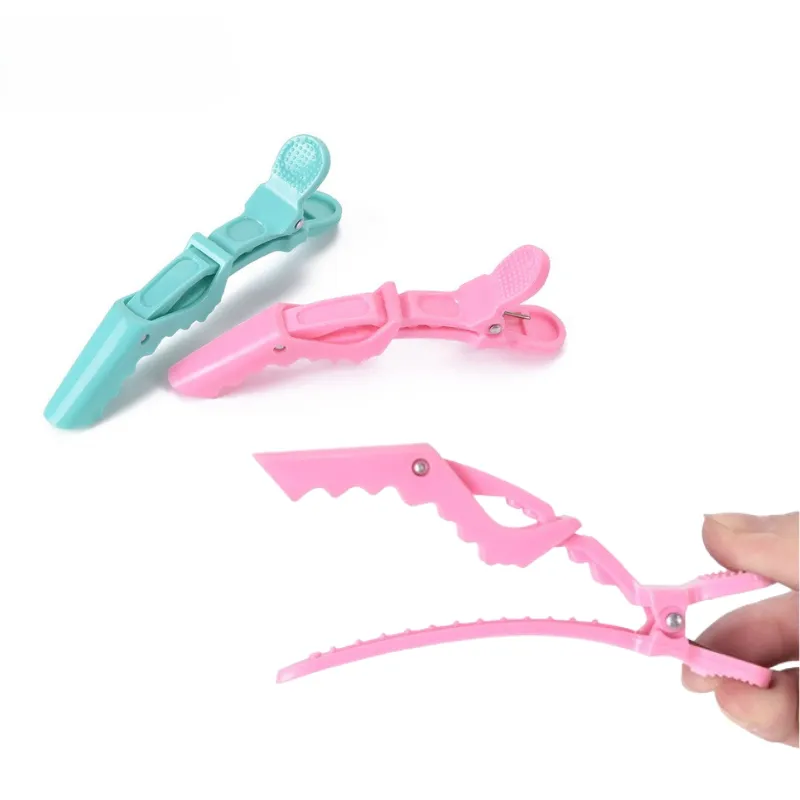
Ask whether the supplier can reserve standard components while artwork is in progress, and who carries the cost if an approval changes. A shared elastic or an unprinted carton may be reusable. A custom print run or a tool cut for a particular shape can have much less flexibility. Get a written decision before authorizing early work that could become scrap. Read the hair accessory tooling guide when the proposal depends on a new mold.
Put order administration on the same schedule. A physical sample might be ready while a purchase order still contains an old color code or the deposit milestone remains open. Confirm the order number, specification revision and any required payment or stock reservation before treating the slot as firm. Use the payment terms overview to separate financial approval from sample approval.
Request a short sequence for each version instead of one manufacturing line for the whole collection. Molded items may involve tool trials before parts can run. Cut acetate items may need sheet allocation and finish checks. Fabric products can depend on the arrival of an approved shade or trim. A guide to injection molding for hair accessories can help buyers name the stages they need the supplier to schedule.
Consider a hypothetical order. The clip workstream is expected to take 15 working days from release. The printed cards are expected to reach the packing site on day 18. If the work begins together and packing needs both, the first packing day depends on the cards. If packing and inspection then require four more working days, the goods-ready estimate falls around day 22, before any carrier booking gap. Ask the supplier to use its own durations and holiday calendar for a real quotation.
When the dates change, identify the step that moved. Three days of artwork delay may shift delivery if printing already controls packing. The same delay may fit inside the product workstream if the cards still arrive first. Ask whether a faster finish option would shorten the full schedule or simply leave components waiting for cards. The GAO Schedule Assessment Guide explains the general scheduling principles behind this kind of dependency check.
A mixed order adds a second decision. If one color shares a carton or retail set with a delayed color, it can hold back both. If each style is independently saleable, the buyer may be able to approve a split shipment. Estimate packing, freight and receiving consequences first. Confirm whether component or color allocations constrain the split under the supplier’s minimum order terms.
The buyer and supplier should know what state the goods must reach before inspection. A blank polybag and a four-color retail card with a barcode and hanging slot involve different decisions. If the retailer needs photos, carton labels or a particular case count, include those approvals while goods are being made. See the white label and private label comparison for the effect of branding choices on the scope of the order.

Reserve the inspection appointment after the required quantity will be available in the agreed packed condition. Ask in advance which problems can be corrected on site, which require new components and who decides whether reinspection is needed. A carton label error might be corrected within the packing area. A hinge problem across multiple lots can require a different investigation. Use the hair accessory inspection guide to agree what the inspector will sample and record.
Keep a realistic interval between inspection and the carrier cutoff. Confirm how quickly a report can be reviewed and who is authorized to release the goods. If the retailer requests a new version after packing, record which cartons are affected before approving a new booking.
Give your forwarder the estimated carton measurements, shipping address and completion window early. Ask which cutoffs constrain the route and when the booking stops being provisional. After packing, replace the estimate with the carton count and dimensions actually measured. Change the booking if the final shipment differs materially rather than leaving that mismatch for collection day.
When your contract uses an Incoterms rule, write the exact rule, version and named place. The ICC explanation of place of delivery describes how the place determines the transfer of risk under the agreed terms. Record the operational dates separately so the sales and warehouse teams know the difference between an available collection, a confirmed handover and stock they can sell.
Keep the first confirmed cutoff in the order record so the team knows which commitment changed.
Ask for a compact weekly update with each milestone, current date, change since last week and the next decision. When the order is close to a deadline, update more frequently only where a decision is outstanding. A useful message says the spring lot is confirmed, first-off parts are due on Thursday and the card proof remains open. A percentage alone gives the buyer little basis for changing a booking or choosing a launch assortment.
Keep buffer near the actual risk. A new pattern approval may need a second physical proof. A dispatch week with limited carrier slots may need an earlier inspection booking. For an unchanged reorder, confirm tooling condition, current material availability and the next open slot before reusing the previous schedule. Keep the prior plan and actual dates to see whether the delay came from release, packing, rework or transit.
When a milestone slips, calculate the latest date a decision can still improve arrival. For a late printed sleeve, compare the approved pack with a retailer-approved alternative that uses the same barcode and item count. Confirm which carton labels and listings would need to change before choosing it. If a logo correction affects an already packed order, use the hair accessory logo process guide to identify which production step must be repeated. Flag who can accept any trade-off in appearance, cost or range before the next booking expires.
It can be one requirement for production release. A supplier may also need an accepted order, reserved materials, agreed payment and an open machine slot. Ask for the full release conditions in the quote and a written confirmation when they are met.
Use the earlier schedule as a reference for the sequence. Recheck current component stocks, tool condition, packaging artwork, production capacity and the freight route. Identify which activities are truly reusable and whether the factory has confirmed the new slot.
Design and proof review can often overlap. Commit to a print run after dimensions, item identifiers, finish names and required wording are approved. If you authorize production earlier, document the version and who covers replacements if the design changes.
Check whether it controls a shared set or only a standalone line. Compare the cost and receiving impact of shipping ready stock separately with holding the whole order. Ask the supplier and forwarder to reconfirm the dates for each option.
Plan from the warehouse date, agree the production release and require evidence for each handover. The JunYi Beauty OEM and ODM overview helps identify the product and packaging options that belong in a custom order schedule.
👉 Searching for Hair Accessories ? Your brand deserves the best.