Home
Product
Contact
Odm/Oem
About
Logo options for hair accessories are the methods a factory uses to put a brand mark on the product itself or on its packaging: laser engraving, pad printing, UV printing, foil stamping, embossing, epoxy color fill, metal logo plates, and sewn labels. The right choice depends first on the material, then on the look the brand wants, and then on order quantity. A method that works on a metal clip may be unusable on a satin scrunchie.

Most hair accessories are small, curved, and handled every day. That limits both the space for a logo and the methods that will survive use.
A logo on the product travels with it after the card is thrown away. A logo on the packaging is cheaper and leaves the product clean. Many private label brands use both: a small mark inside the clip and the full brand on the card.
The choice also signals how far a range is customised. A logo only on the card is typical of white label stock; a logo formed or engraved into the product is typical of private label development. The comparison of white label vs private label hair accessories covers that difference in detail.
Logos on the outer face of a claw clip change its look. Logos on the inner jaw or the back of a barrette stay discreet and wear less, because they do not rub against hats, bags, or hair.
A mini claw clip or a bobby pin leaves only a few millimetres for a mark. Short wordmarks and simple symbols survive at that size; long names and taglines do not. Many brands keep a short version of the logo just for products.
Backing cards, boxes, and bags carry the full logo, brand colors, and product information. Printed packaging has its own printer minimum, which is often higher than the product minimum on a first order.
Each method suits a different material and finish. The comparison below summarises the common options and what each one needs to start.
| Method | Suited Materials | Look | Setup Needed |
|---|---|---|---|
| Laser engraving | Acetate, metal, wood | Tone-on-tone, permanent | Digital file only |
| Pad printing | Plastic, acetate | Solid color | Plate per color |
| UV printing | Flat plastic, acetate | Full color | Digital file only |
| Foil stamping | Plastic, leather, card | Metallic | Stamping die |
| Embossing or debossing | Metal | Raised or recessed | Stamping die |
| Epoxy color fill | Metal, recessed logos | Enamel-like color | Recessed logo area |
| Metal logo plate | Any rigid product | Raised badge | Plate mold |
| Woven or printed label | Fabric | Sewn tag | Label batch |
Laser engraving removes a thin layer of material to mark the logo. It is the most permanent option and needs no plate, so it suits small runs and multiple logos.
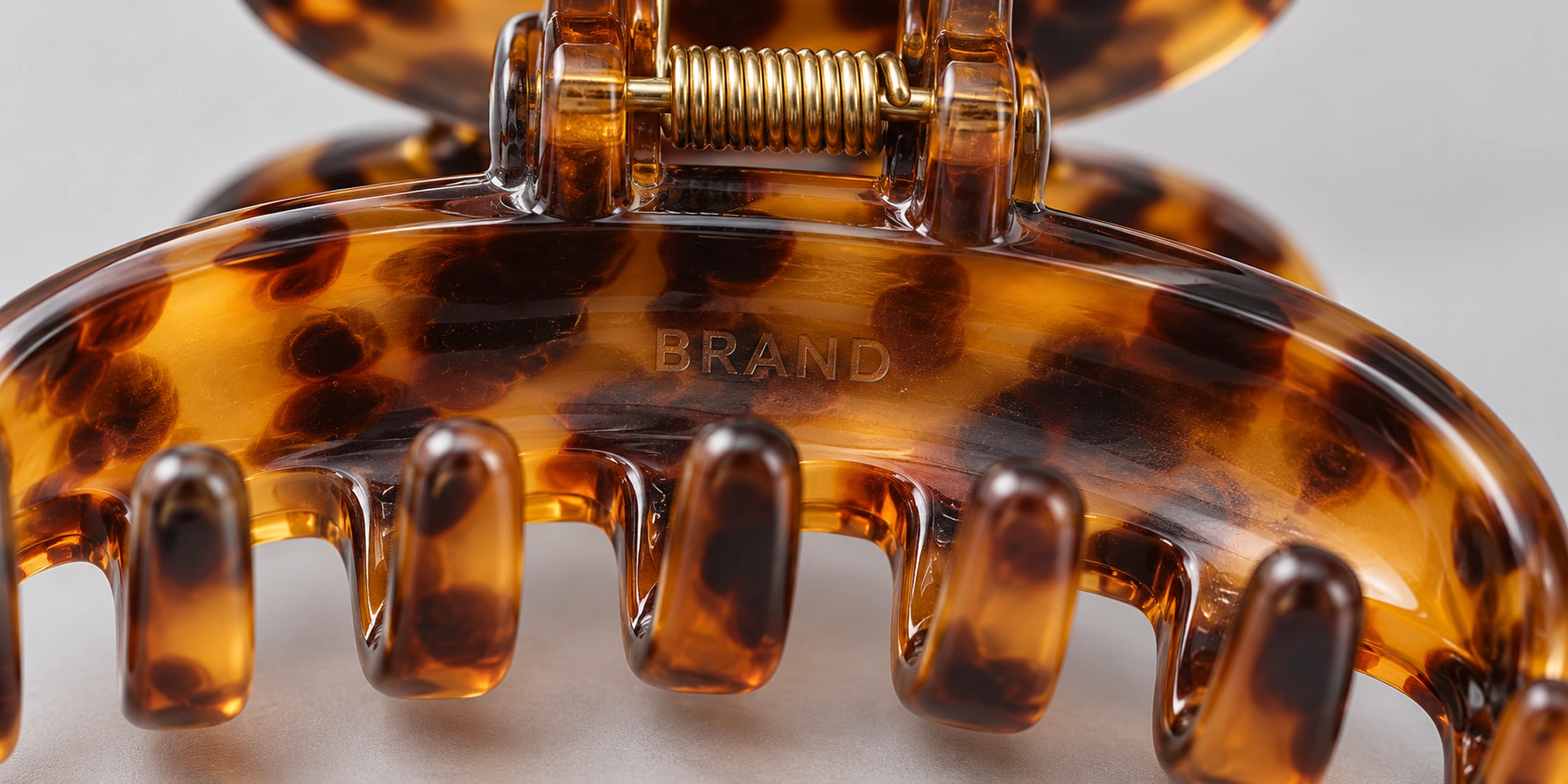
On acetate the engraving shows as a matte, slightly lighter mark. It reads well on solid colors and less well on busy tortoise patterns, where fine text can disappear into the pattern.
On plated metal, the laser cuts through the plating to show the base metal or a darker oxide. Engraving after plating can expose the base metal to tarnish, so ask the factory which order it uses. On wood, laser engraving gives a clean burned mark with no ink.
Laser engraving cannot add color. A brand that needs its logo in a specific brand color should choose printing or epoxy fill instead.
Printing adds ink to the surface. It gives color, but it is the method most exposed to wear.
Pad printing transfers ink from an etched plate to the product with a soft silicone pad, which lets it print onto curved surfaces such as claw clip handles. Each color needs its own plate and pass, so a one-color logo is simplest.
UV printing jets ink directly onto flat or gently curved parts and cures it with ultraviolet light. It can reproduce full-color artwork and patterns without plates. It is less suited to deep curves.
Printed logos should pass a rub test and a tape test on the approved sample. A logo that fades after a week in a handbag will appear in reviews long before any other defect.
Metal accessories and higher-priced lines often use logos formed into the part or attached to it.
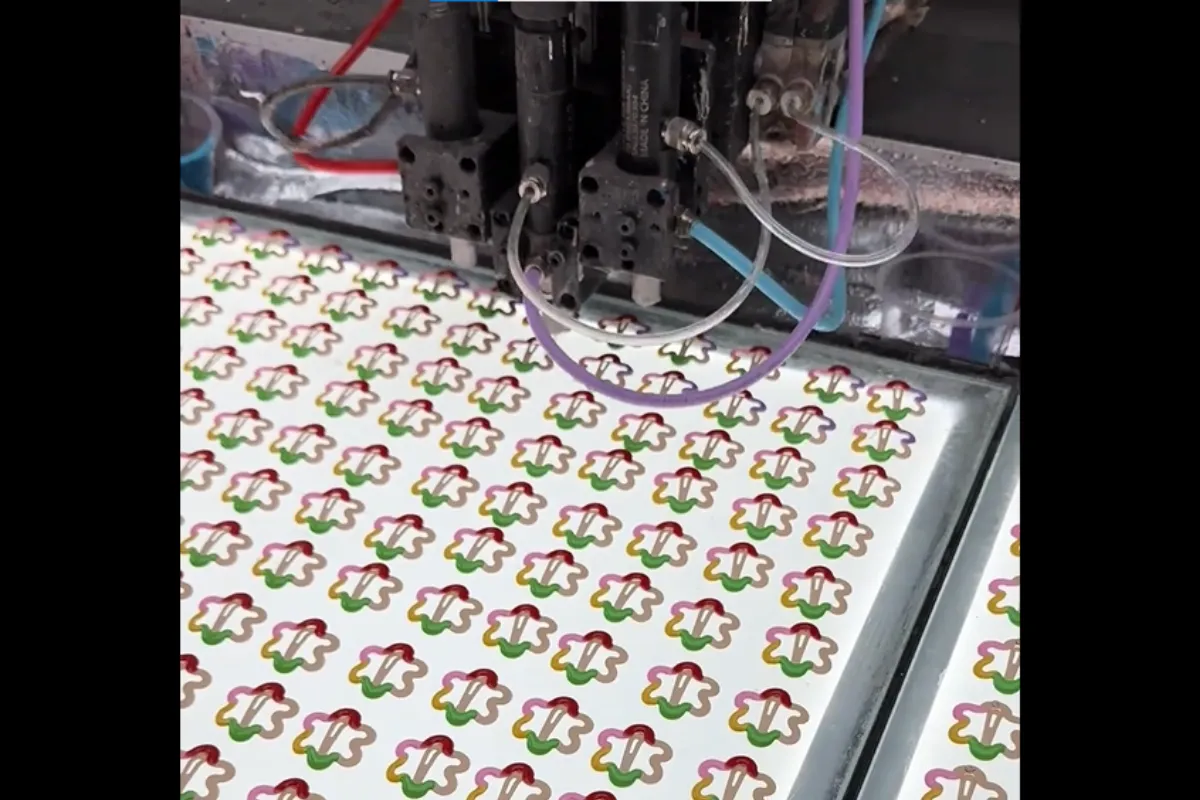
Foil stamping uses a heated die to press metallic foil onto plastic, leather-look materials, or card. It gives a gold or silver logo with a sharp edge. It works on flat areas and suits gift boxes and packaging better than curved clip handles, where the foil can lift at the edges.
A stamping die presses the logo into metal clips and barrettes as they are formed. The result is raised or recessed and cannot wear off. The die is a one-time cost, which makes this method suited to repeat orders.
Epoxy fill drips colored resin into a recessed logo or pattern, then cures it to a smooth, enamel-like surface. It combines the permanence of a formed logo with brand color. The recess has to be designed into the mold or stamping die, so epoxy fill is planned at the design stage, not added to finished stock pieces.
A small metal plate with the logo can be glued or riveted onto clips, headbands, and scrunchies. It looks upmarket but adds a part, a mold for the plate, and a pull test. Plates are the logo most likely to come off if bonding is poor.
Scrunchies, bows, and fabric headbands cannot take engraving or pad printing in most cases. Their logos are sewn or printed onto a label.
A small woven label sewn into the scrunchie seam is the common choice. Printed satin labels are softer and suit silk products. Both are bought in label batches, which can set a separate minimum. The custom hair scrunchie manufacturer page shows typical fabric and label options.
Embroidery adds texture and suits bows and headbands with a flat area. A logo printed across the fabric itself is possible on custom-printed fabric, though it raises the fabric minimum.
Logo problems are usually specification problems. The steps below prevent most of them.
Supply the logo as a vector file, with a one-color version for engraving and pad printing. Fine lines and very small text may not survive engraving on patterned acetate. Ask the factory to confirm the smallest size it can reproduce cleanly on the chosen material.
Mark the logo position on a drawing and confirm it on the pre-production sample. Logo position is part of the approved sample, as described in the guide to how sampling works for custom hair accessories.
Laser engraving and UV printing need no plate, so they suit first orders and several logos. Pad printing, foil stamping, and embossing need plates or dies, so they pay off on repeat orders of the same design.
Ask the factory to store printing plates, stamping dies, and logo plate molds under the brand name between orders. A reorder that reuses the same plate matches the first batch; a new plate made from memory rarely does.
Some requests are better declined. A full-color photographic logo on a curved acetate handle, or a long slogan on a mini clip, will not reproduce cleanly by any method. A factory that says so at the brief stage saves a sampling round.
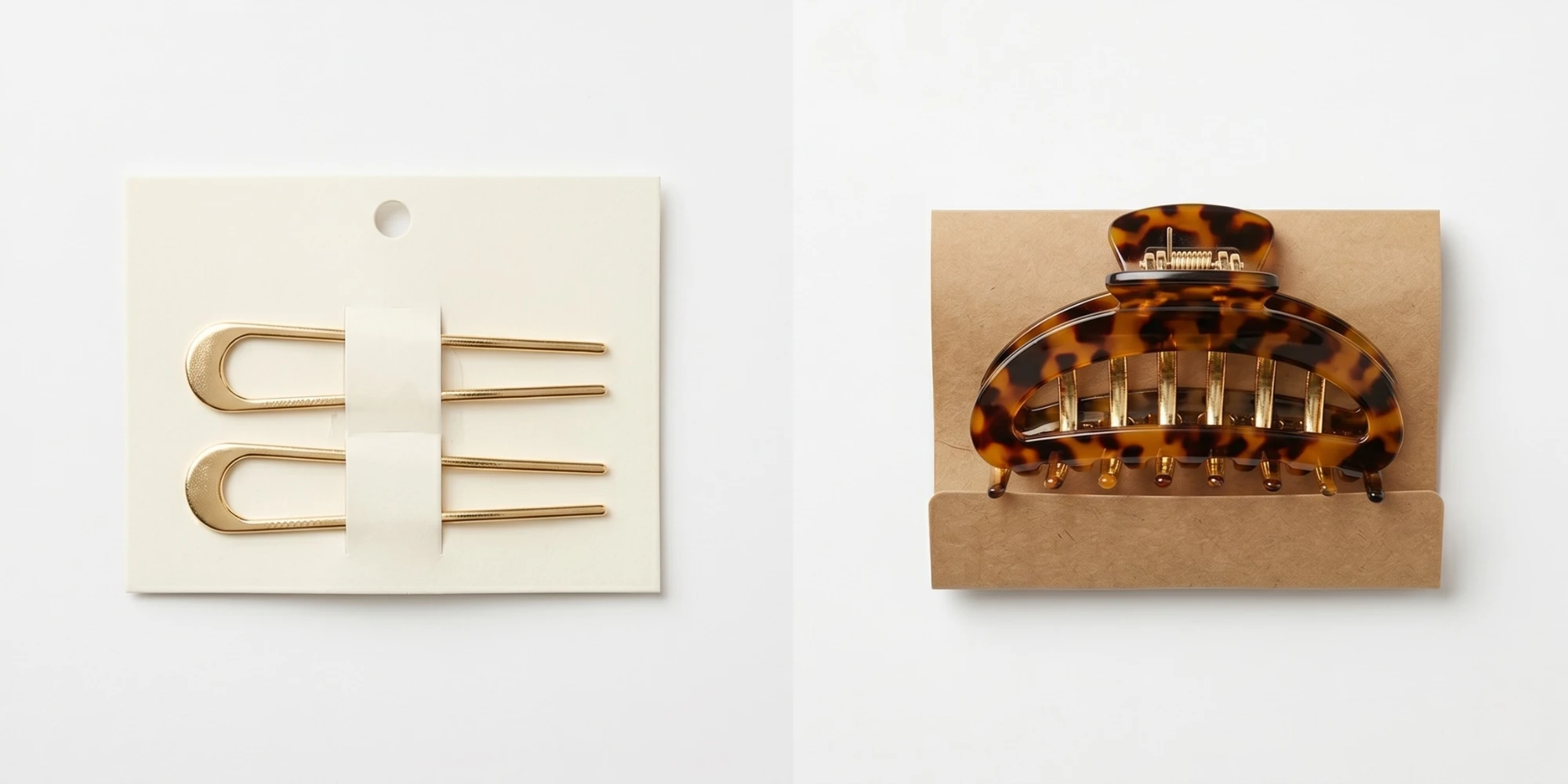
For a visual explanation of how pad printing transfers a logo onto curved parts, see below:
Q: What is the most durable logo method for hair accessories?
Laser engraving and embossing are the most durable, because the logo is cut or pressed into the material instead of printed onto the surface. Epoxy color fill is also durable. Pad printing and UV printing give color but are more exposed to wear and should pass a rub test.
Q: Can a logo be added to acetate claw clips?
Yes. Laser engraving gives a permanent tone-on-tone mark, and pad printing adds a colored logo. Engraving reads well on solid acetate and less well on busy tortoise patterns, where fine text can blend into the pattern.
Q: How are logos added to scrunchies?
Scrunchies usually carry a woven or printed satin label sewn into the seam. Embroidery suits bows and flat fabric headbands. A small metal logo plate is possible but adds a part that must be pull-tested.
Q: Which logo method suits a small first order?
Laser engraving and UV printing need only a digital file, with no plate or die, so they suit small first orders and several logo versions. Pad printing, foil stamping, and embossing need plates or dies and make more sense on repeat orders.
Q: What file format should a logo be supplied in?
A vector file, such as AI, EPS, or PDF, with a one-color version. Factories use it to make plates and laser paths. Low-resolution images produce blurred edges, especially at the small sizes used on hair accessories.
Logo options for hair accessories range from permanent engraving and embossing to colored printing, epoxy fill, metal plates, and sewn labels. Material decides which methods are possible, and order size decides which ones are economical.
Manufacturers such as JunYi Beauty, which runs pad printing, epoxy filling, and decoration lines at its Dongguan facility, represent the type of custom claw clip manufacturer able to sample several logo methods on the same design before a brand commits.
👉 Searching for Hair Accessories ? Your brand deserves the best.