Home
Product
Contact
Odm/Oem
About
Private label hair accessories are products made by a supplier and sold under a buyer’s brand. For a first launch, choose a focused range, approve each product in its retail pack, and release the order against a written specification. Confirm design rights separately if exclusivity matters.
Start with the place where the customer will see the product. A boutique may need a backing card that hangs straight and shows the clip without hiding its pattern. An online shop needs product photographs that make scale and pack count obvious. A salon may want a clasp that customers can try before buying. Pick a primary channel so the first sample can answer a specific question about how the item fits that channel.
List the job of each product in the range. An everyday claw clip can be the main item, while a slim barrette provides a flatter option for half-up styles. The claw clip range and hair clip range help distinguish mechanisms before the assortment is fixed. Choose alternatives that serve different uses. Two shapes with nearly identical grip and footprint may split the first order without teaching the brand much about customer preference.
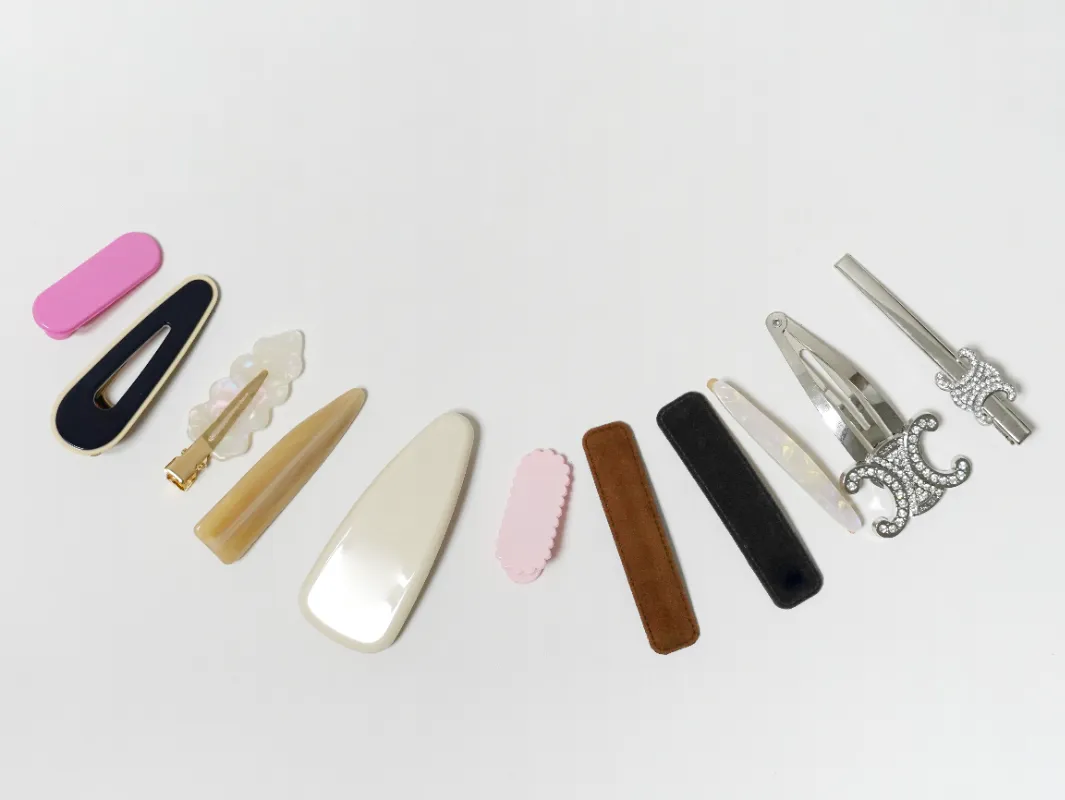
Decide what a customer actually buys. A single clip, a matching pair, and a three-color set require different stock records even when they share a component. In a hypothetical launch with 500 clips of one style, selling every clip in pairs creates 250 packs before any sample or inspection allowance. Decide whether to sell pairs from the start so the brand orders the right number of cards and takes photographs of the correct unit.
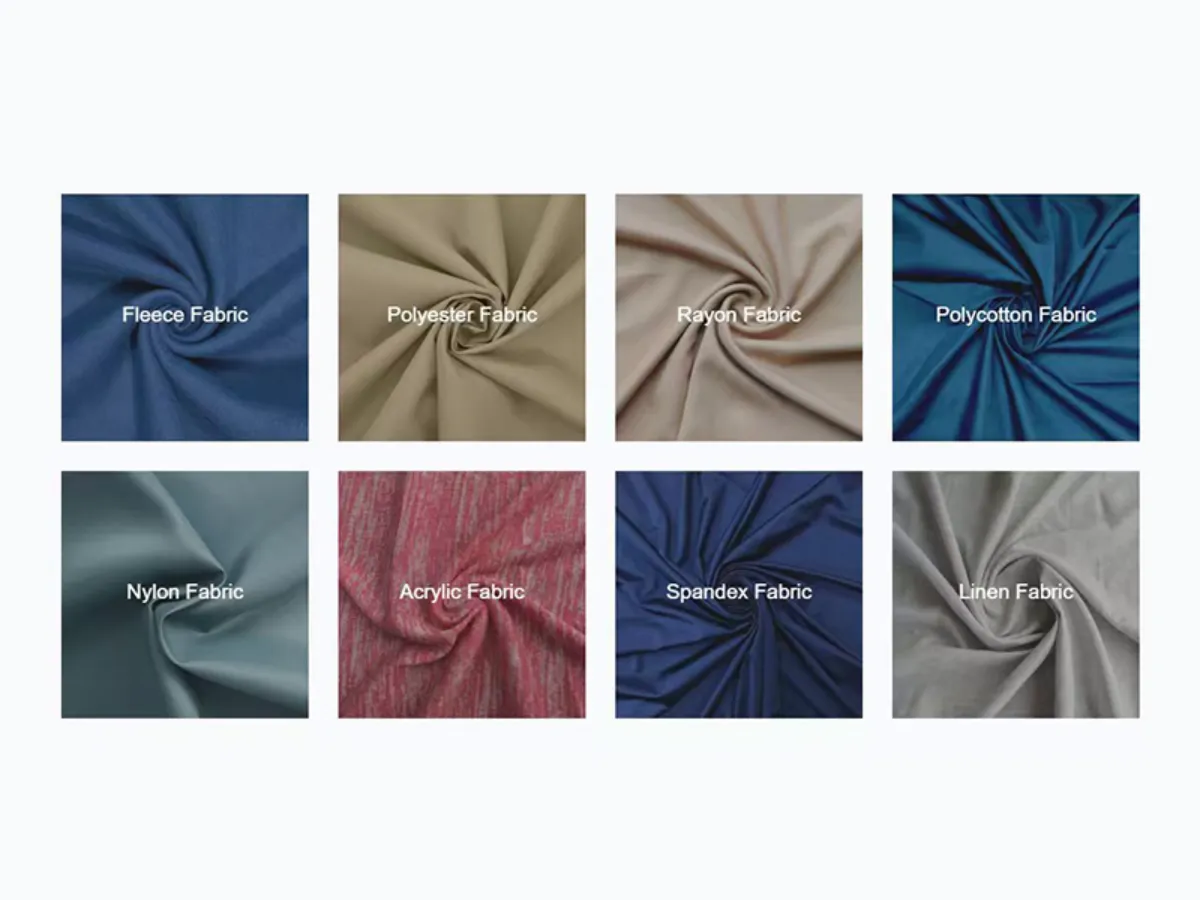
Mark each feature as fixed, selectable, or still under development. For a stock clip, the mechanism and shape might stay fixed, the supplier may offer a choice of finishes, and the brand may develop only the card. For custom scrunchies, the fabric, seam label and elastic loop can each have their own approval. Ask what changes if one choice is unavailable. Substituting a woven fabric, for example, may affect the appearance of gathers even when the finished diameter is unchanged.
A mark identifies the source of goods in a market. WIPO’s guide to trademarks for small businesses explains how brand elements such as names or logos can distinguish products. Have the brand owner check the proposed name and artwork for the intended markets before ordering printed stock. Confirm who supplies the artwork and who signs the proof, and specify whether the agreed design rights cover the product geometry, the pattern, or branding only.
Supplier terminology varies. Use the comparison of white label and private label sourcing to discuss the starting model, then record the exact approved changes. If the shape itself is a selling point, resolve rights using the questions in the hair accessory design protection guide before committing to tooling.
Build a one-row record for every sellable pack. Include the supplier’s product code, approved finish, pieces per pack, pack count, artwork version, and carton allocation. The row gives operations a way to reconcile the product order, packaging order and receiving count. It also tells the photography team which version to prepare for the listing.
A small collection can still create a large printed order. Suppose two finishes share a card and differ only by an applied label. The card print run can be shared if the channel accepts that layout and the correct label can be applied reliably. Printing the finish directly on the card instead creates separate artwork and stock. Estimate both routes using the supplier’s hair accessory minimum order terms, including how the quantity is counted for the proposed variants.
The examples below show how one accessory can create different packing decisions.
| Pack Format | Control Point | Approval Evidence |
|---|---|---|
| Single Clip | Rotation On Card | Loaded Hanging Sample |
| Matching Pair | Finish Within Pair | Approved Pair Reference |
| Mixed Set | Color Allocation | Set Layout And Count |
| Fabric Gift Pack | Creasing And Fit | Closed Pack Sample |
When the channel uses GS1 identifiers, check the number against the trade item before approving the final print. GS1 explains the role of identifiers and the brand owner in its barcode and GTIN guidance. Check the retailer’s requirements for the exact pack and scan a physical printed sample. A scan should return the expected item, not simply produce a beep.
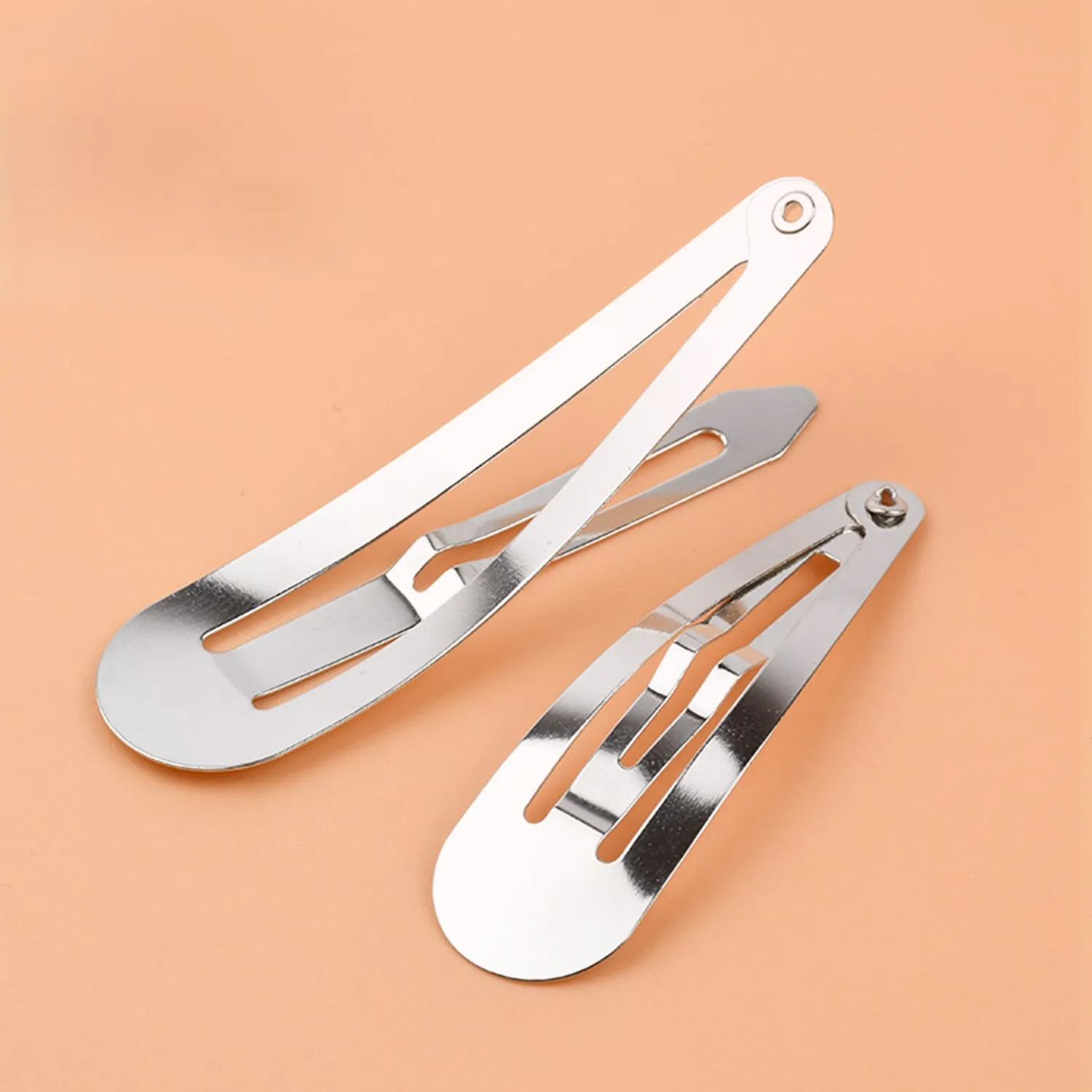
Evaluate the clip loose so you can feel the spring, inspect the edges and see how the jaws meet. Then inspect that same configuration in its retail packaging. Look at the product from the front and back, hang the loaded card where appropriate and take the piece out as a customer would. A tag that covers the hinge, a tie that marks a glossy surface or a card that bends under the product changes the experience that was approved on the loose sample.
A color chip can approve the intended shade. An assembled product can approve position and operation. A packed sample can approve display and removal. Mark the limits of each approval. A logo on a flat proof, for example, does not yet show how it reads on a curved jaw. Compare the applicable hair accessory logo processes before reviewing a marked sample at its intended scale.
The prototype and sampling guide explains the stages that produce these references. At launch, the important additional decision is whether the samples agree with each other. If the clip was approved in one finish and the card in another, assemble a final pack with the version that will actually ship. Save the correspondence between product revision, packaging revision and the sample date in the order record.
Give a finished sample to someone who did not approve the artwork. Ask them to identify the color, count the pieces and open the pack without instructions from the design team. For online sales, compare their answers with the draft listing. For a store, repeat the check while the pack is hanging at the intended height. Record where the finish name or piece count becomes unclear. Fix the label or listing before photographs and printing are finalized. This small check catches mismatches that an artwork proof can leave unresolved.
Ask the supplier to confirm the product, finish, quantity and pack arrangement on the same order revision. Name the person who approves changes on each side. Decide what requires renewed approval: a substitute spring, a new fabric lot with visible shade variation, a different card stock, or an altered mark position. Describe the expected response if a material is unavailable so silence does not become permission to change it.
For a first order, agree what the inspector should compare in the finished cartons. The hair accessory inspection guide covers product function and appearance. Add launch-specific checks such as variant labels, pieces per retail pack, pack count per carton and whether the displayed finish matches the code on the outside. Specify how mixed master cartons are identified so receiving staff can reconcile them without opening every pack.
Some products need market-specific review before artwork and materials can be released. For example, an EU order can use the REACH guide for hair accessories to prepare questions about material changes and evidence. Set the destination and intended audience at the start. Store the test scope with the corresponding product specification so the next buyer can see exactly which version was evaluated.
Keep a small set of reference packs from the shipment and note which cartons or lots they came from. Save the version of the listing photographs, packaging artwork and purchase order. If a retail buyer reports a bent card or a clasp that opens unevenly, the reference pack lets the team compare the complaint against what was received. Without an identified sample it is harder to distinguish a packing issue from a change in the product.
Review sales, returns and warehouse counts by sellable pack. If neutral and seasonal colors share a card, note whether the neutral color can be replenished independently. If a two-piece pack contains one slow-selling finish, a later single-pack trial may answer a better merchandising question than simply repeating the set. Keep the physical specifications and the sales feedback together so a planned change can be traced to the customer problem it solves.
Decide when to put a repeat order into production using available units, expected sales and a delivery window agreed for that configuration. Leave enough time to approve any substituted material or revised packaging. Buyers can use the custom hair accessory sourcing guide for the broader supplier and shipping questions that sit outside the launch file.
Use prototype imagery for internal planning. For product listings, photograph the approved configuration with the real packaging and correct pack count. If a prototype must appear in a buyer presentation, label the features that are still subject to approval.
Yes, provided the terms and packaging requirements allow it. The same clip may use a peggable card in a store and a different retail pack online. Map both versions to their pack, label and stock record so the fulfillment team can select the right one.
Agree this before the print order. Record the owner, retained quantity, storage conditions and reuse or disposal decision if artwork changes. Ask for the balance after each run so a reorder can be planned with the real number of usable packs.
Decide whether it can launch independently and assess the sales impact on any bundles. Hold listings for sets that cannot be fulfilled. If the delay affects a key part of the range, confirm a revised delivery commitment before promising the new date to retailers.
A private label launch is ready when the product, retail pack and order record describe the same item. Use the JunYi Beauty OEM and ODM overview to identify which parts of the range need custom development.
👉 Searching for Hair Accessories ? Your brand deserves the best.