Home
Product
Contact
Odm/Oem
About
REACH (Registration, Evaluation, Authorisation and Restriction of Chemicals) compliance for hair accessories means checking applicable EU chemical restrictions and substance-information duties. Buyers need evidence matched to each clip, its components and approved production version. Material or finish changes can require a new assessment.
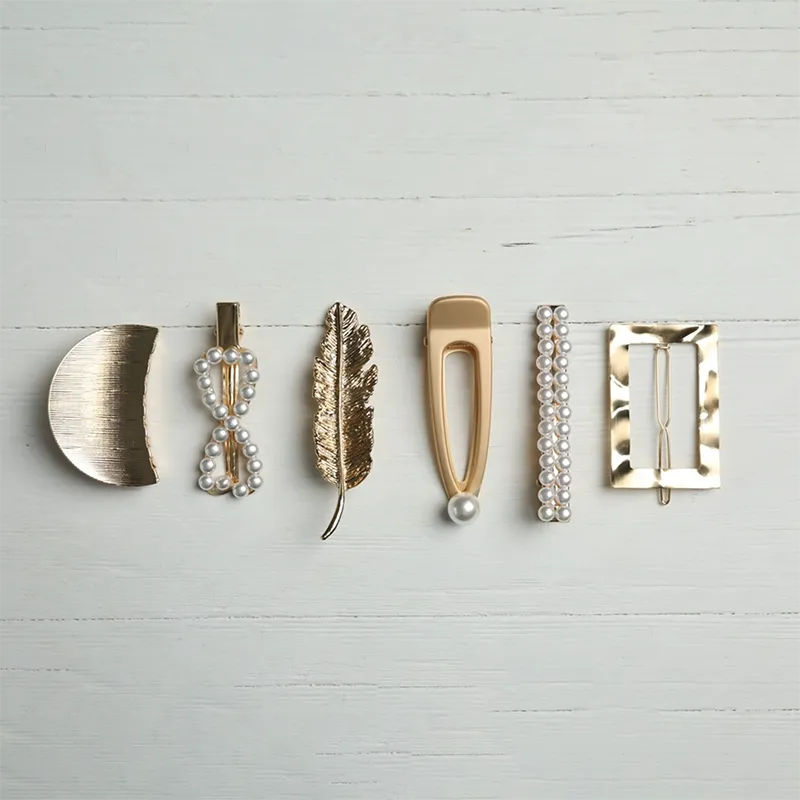
A finished hair accessory can combine a molded body, metal spring, hinge pin, surface coating, glued decoration and printed logo. Calling the whole item “plastic” leaves important parts outside the discussion. Begin with the actual construction of the selected hair clip style, including small components that disappear from view after assembly.
Restrictions and substance communication are separate checks. Annex XVII sets restrictions for specified substances, uses and product categories. The Candidate List identifies substances of very high concern and can trigger information duties when relevant conditions are met. A result for one selected test panel supports the named tests and samples. Buyers still need to establish which requirements apply to the product they intend to sell.
Record the EU destination, intended user, normal wear position and expected contact with skin. A decorative slide, a salon sectioning clip and a children’s accessory can require different assessments. The children’s material safety guide helps identify additional questions for a younger audience. Put those decisions into the brief before selecting the laboratory panel, because product descriptions determine what a useful assessment must cover.
Create a component list with an identifier for each body, spring, clasp, coating and decorative element. Include the material supplier and finish reference wherever available. For custom claw clips, the two jaws can share a material while the spring and hinge pin come from separate sources. A metal barrette adds a clasp assembly that needs its own identity.
Color and surface changes deserve particular attention. A new pigment, paint, plated finish or soft covering can introduce a different formulation even when the shape stays identical. Record whether a finish is painted, plated, printed or part of the base material. The hair clip material comparison provides useful construction background for preparing this list.
The following matrix helps a buyer explain the product to a laboratory. The laboratory should select applicable requirements after reviewing the complete specification.
| Part | Input | Check |
|---|---|---|
| Clip body | Polymer and color | Which formulation applies? |
| Clasp or spring | Metal and coating | Which metal restrictions apply? |
| Decorative front | Material and attachment | What needs separate testing? |
| Logo or paint | Ink or coating reference | Does the finish change exposure? |
A purchasing file becomes easier to maintain when each assessment question points to a component code. That connection lets the buyer trace a test result back to a production drawing and a purchase order line.
Include bought-in decorations in this record. A pearl-effect bead, rhinestone setting or fabric bow may be supplied by a subcontractor with a different material trail. Ask the assembler to identify those sources early. The assembler should be able to explain whether an incoming decoration stays unchanged or receives an additional coating or adhesive during final assembly.
Ask the laboratory to review the relevant REACH Annex XVII entries against the component list. Hair accessories are expressly addressed in certain lead and cadmium provisions. Nickel release requires attention where the conditions for direct and prolonged skin contact apply. Other material combinations can bring additional restrictions into scope.
A metal composition result and a nickel release result answer different questions. Composition describes what is present in the tested material. Release testing evaluates the amount released under a specified method. A coating can also affect the appropriate preparation and assessment. The EN 1811 nickel testing article explains this distinction in more detail.

For a mixed-material collection, identify whether results will be reported for separate parts or combined samples. Pooling can make a failed result difficult to investigate and may obscure a restriction that applies at component level. Agree on the sampling approach with the laboratory in writing. If several colors share evidence, retain the technical justification showing why the tested formulation represents the other variants.
Candidate List screening needs a dated reference because the list changes. Request a declaration that names the list version, identifies the product and states how the conclusion was reached. A vague “SVHC free” sentence creates little traceability. Ask whether the declaration rests on material information, targeted testing or a combination of records.
Under ECHA’s Article 33 communication guidance, a supplier of an article containing a Candidate List substance above 0.1% weight by weight must provide sufficient safe-use information to professional recipients, including at least the substance name. Consumers can request corresponding information, which must be provided free of charge within 45 days when the duty applies.
The assessment of a complex accessory needs attention to its constituent articles. A small component can matter even when its mass is low compared with the complete product. Keep the component breakdown available for the EU duty holder. ECHA’s SCIP information also explains obligations under the Waste Framework Directive for articles containing Candidate List substances above the relevant threshold.
Allocate responsibility for reviewing these duties before placing the order. The factory can supply formulation and component evidence, while the importer needs to understand the obligations attached to its own supply-chain role. Include document access in the confidentiality arrangements for a custom design so restricted technical information can still reach the laboratory and responsible compliance staff.
Start with the report’s sample photographs, model code, color and material description. Compare them with the version approved for production. A report for a black molded clip might leave a newly painted pink variant outside its documented scope. The sample approval process should preserve the link between the physical sample, its specification and the testing record.
Review each tested component, method, unit, reporting limit and conclusion. Check that the laboratory’s decision refers to the applicable restriction and intended use. A clear report should allow a reviewer to identify where a measurement came from and which sample it represents. If the report lists only a supplier’s internal name, add a controlled cross-reference to the buyer’s SKU.
For an initial supplier review, the factory verification checklist can help connect the report applicant to the manufacturing and contracting entities. Keep the original report together with the laboratory contact details. A cropped screenshot loses annexes, methods and sample identity information that may be needed later.
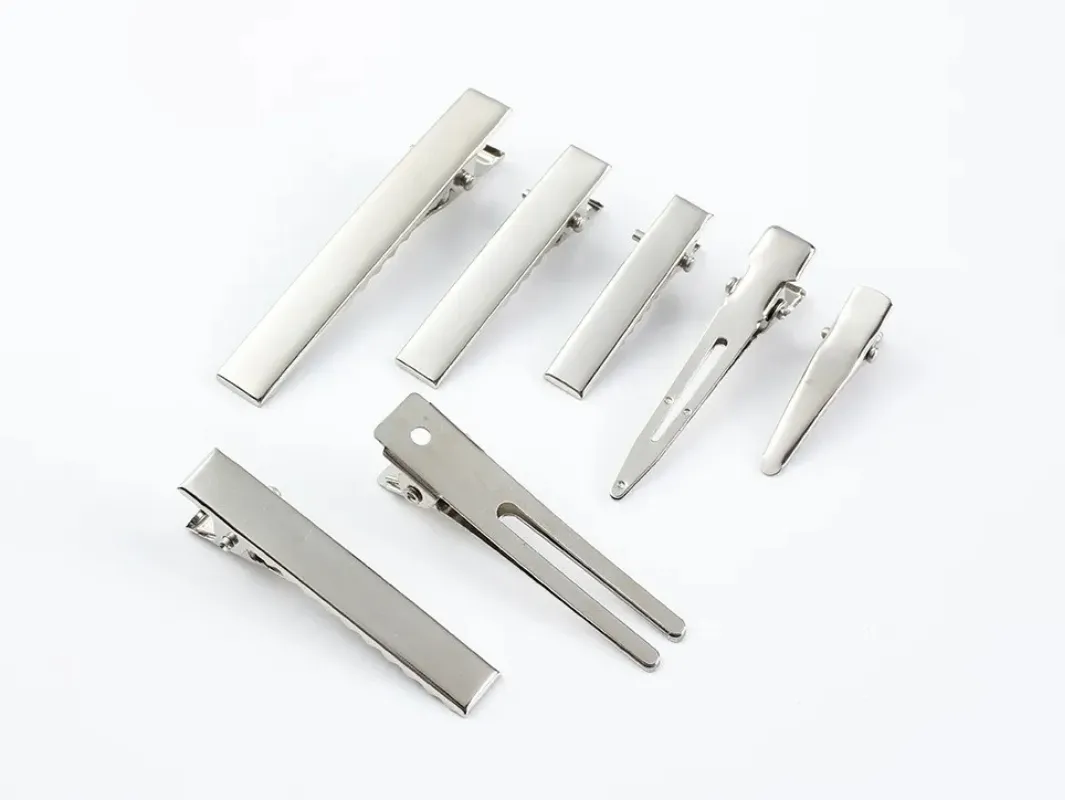
Resolve mismatches before shipment. A missing sample photo might require clarification from the laboratory. A changed coating can require further evidence or testing. Record who approved the final scope and why, so the next buyer reviewing the order can understand the decision without reconstructing an email conversation.
Consider a hypothetical collection containing a plain metal barrette, a painted version and a version with a glued decorative front. All three may use the same clasp. Start by confirming the shared clasp specification, then identify the paint and decorative assembly as differences. Ask the laboratory which components can share evidence and which require separate samples. Keep its reasoning with the collection’s variant matrix.
If the paint supplier changes after approval, the change record should identify the affected colors and the orders using them. The buyer can then request a focused reassessment. Without that record, every carton may have to be treated as uncertain because the affected production cannot be distinguished. This is why component identity matters through packing, as well as at the initial test.
A reliable compliance file follows production revisions. Place the approved bill of materials, finish references, sample identifiers and laboratory reports under the same version control. Ask the supplier to flag substitutions before using them. A replacement spring, different adhesive or alternate pigment can require a fresh assessment even when customers see an identical product.
For repeat orders, compare the current material sources and finish codes with the tested version. Document any difference and obtain a decision on whether the existing evidence still applies. The hair accessory quality-control guide provides related inspection planning, while chemical evidence adds a separate component to the release decision.
Reserve time for this review in the purchase schedule. If testing identifies an issue after packing, replacement materials and repeat assessment can affect dispatch. The payment and inspection milestones should describe how unresolved compliance documents affect shipment approval. This gives the buyer and supplier a clear point at which to resolve a problem.
Label retained samples with the order number, production date and approved revision. Store a reference from the supplied batch alongside the development sample. If a distributor later raises a question, those two references help establish whether the investigation concerns a design decision or a change made during production.
For a 500-piece hair clip order, documentation still needs to identify the exact production version. Quantity changes the commercial plan, while destination, materials and intended use determine the assessment. Keep compliance work connected to the custom development process from the first specification through final release.
A management-system certificate concerns the stated system and scope. Product chemical evidence needs to match the clip, components and finish being supplied. Check the product report and supporting material records separately.
A retailer’s restricted-substance list can add requirements to the applicable law. Establish both scopes with the laboratory, including the destination market and product use, then record which requirements each result supports.
Identify packaging separately in the assessment brief. A backing card, pouch or box has its own materials and supply sources. Combining it with the clip can make results harder to assign to the correct component.
Product classification and other safety obligations need their own review. If the accessory has play features or is supplied with a toy, assess the complete presentation and intended use before deciding which requirements apply.
REACH compliance for hair accessories depends on a traceable connection between components, test scope and production. JunYi Beauty’s manufacturer background provides supplier context. The order file should still show how each selected clip and finish was assessed before shipment.
👉 Searching for Hair Accessories ? Your brand deserves the best.