Home
Product
Contact
Odm/Oem
About
CPSIA is the Consumer Product Safety Improvement Act; a CPC is a Children’s Product Certificate. For kids’ hair accessories sold in the United States, buyers need to establish the intended age group, applicable safety rules and certification responsibility, then connect test evidence to the imported production.
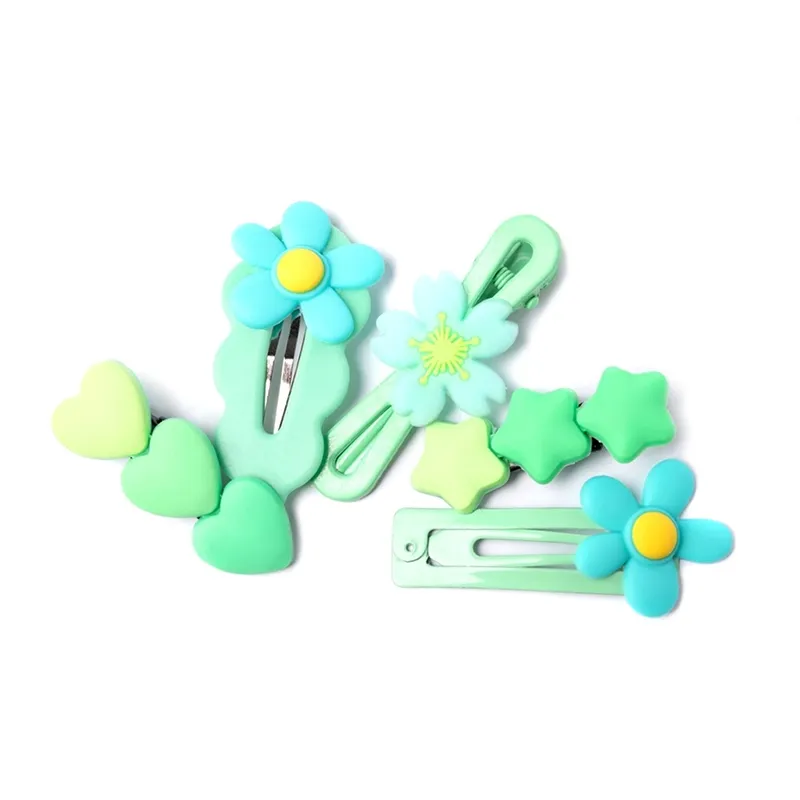
A small clip can be sold to adults, teenagers or young children. Its size alone cannot establish the regulatory category. Begin with the intended user, product appearance, packaging, advertising and the way customers would reasonably recognize it. CPSC’s children’s product classification guidance describes the factors used to assess products intended primarily for children aged 12 or younger.
For a buyer developing custom hair clips, the classification decision belongs in the design brief. Child-oriented decorations, small dimensions and presentation with children’s clothing can all matter. Document the intended age range before the laboratory receives samples. The kids’ hair accessory material guide supports the material review that follows.
A functional barrette sold on a backing card presents a different classification question from a pretend-play styling kit. Assess every item included in a set and the complete marketing presentation. If a design introduces play features, ask the compliance reviewer whether toy requirements apply. Keep the written reasoning with the finished product specification so a later packaging change can be assessed against the original decision.
Prepare a component map showing the clip body, clasp, spring, paint, fabric covering, adhesive and decorative pieces. Mark the accessible components and identify the material sources. A claw clip construction can contain several materials even when the main body looks uniform. The laboratory needs that information to establish which rules and test methods apply.
Lead content and lead in paint require separate consideration. CPSC identifies a 100 ppm total lead limit for accessible components of children’s products and a 90 ppm limit for paint and similar surface coatings. The total lead guidance explains the distinction. Review material-specific determinations and testing exceptions with the laboratory before finalizing the scope.
Phthalate rules require their own applicability decision. The federal prohibition under 16 CFR part 1307 addresses children’s toys and child care articles within its scope. A product being intended for children does not by itself establish that classification. Use the CPSC phthalate guidance to review the intended use and accessible plasticized components.
The product’s chemical test plan can then be linked to the material and finish selection. This prevents a generic test package from overlooking a coating or adding unrelated requirements without an applicability explanation.
Small decorations deserve a careful safety assessment, especially where a pearl, charm or fabric ornament can detach. The legal treatment also needs precision. 16 CFR 1501.3(e) lists grooming products, including barrettes, among exemptions from the specific small-parts regulation. Establish whether the actual item fits that exemption and document the conclusion. An accessory with play functions or a toy set needs its own classification review.
The regulatory text is available through the official small-parts exemptions. Exemption from that particular rule leaves other applicable requirements and product hazards to be considered. A buyer should still examine detachable decorations, sharp edges, exposed wire ends and spring security when reviewing a sample.

Record how the decoration is attached and which checks will be performed. The sample approval procedure can identify the final assembly, while the manufacturing inspection guide helps translate the approved construction into production checks. Keep any voluntary buyer requirement clearly identified in the inspection plan.
For a children’s product subject to applicable children’s product safety rules, certification generally relies on third-party testing by a CPSC-accepted laboratory, subject to relevant determinations and exceptions. Check acceptance for the specific test scope. A laboratory’s general accreditation logo leaves that question unanswered. The importer should establish responsibility for obtaining reports and maintaining the certification file before production starts.
The CPSC certificate guidance identifies the information needed in a Children’s Product Certificate. This includes product identification, applicable rules, the certifying firm, records contact, manufacture information, testing details and laboratory identification.
For imported finished products, identify the responsible importer under 16 CFR part 1110. That responsibility does not automatically transfer to the overseas factory or depend on the importer having a physical U.S. address. A laboratory may assist with preparation and supplies the testing evidence.
Make the product description specific enough to distinguish covered designs. Include a model code and a cross-reference to the relevant colors, component specifications and sample photographs. When the same report supports several variants, retain the basis for that coverage. The supplier verification process helps connect the factory, report applicant and contracting entity.
Keep the test report and certificate as separate controlled documents. The report records laboratory work. The certificate identifies the product and rules under which the responsible firm certifies compliance. If a product uses component evidence, the certificate and supporting file need to identify the testing and any exclusions relied upon under the current requirements.
Give the laboratory the same product photographs and component codes used in the purchase specification. Mark which surfaces are coated and which small parts can be reached during normal handling. If the report uses the factory’s model number while the retailer uses another SKU, provide a signed cross-reference. A clear identification trail prevents the compliance team from approving a report for a similar-looking item.
Before accepting a report, compare the sample receipt date, testing date and listed manufacturing location with the project records. Ask about any unexplained difference. Retain the complete document, including attachments and sample photographs, because an abbreviated result page can omit the details needed to assess product coverage. Store it where the certifying firm can retrieve it when requested.
Tracking information should be designed with the package artwork and production coding system. CPSC’s tracking-label guidance describes permanent distinguishing marks on children’s products and packaging, to the extent practicable. The information enables identification of the responsible firm, production location and date, and batch or other manufacturing details.
Small clip surfaces can make marking difficult. Record the practicability assessment and the approved packaging solution. Ask how a retailer or importer will trace a clip back to its production batch after cartons are separated. Coordinate the code location with logo and decoration methods so branding and traceability remain legible.

Import preparation also includes the current certificate data filing process. CPSC states that eFiling requirements for most regulated imports took effect on July 8, 2026, with a January 8, 2027 date for the specified Foreign Trade Zone entry scenario. Review the certificate and eFiling update with the importer and customs broker before dispatch.
Identify the responsible importer in the purchasing agreement. The factory and trading company comparison explains why the seller, manufacturer and importer can be different entities. Certificate data and customs entry information should use consistent product identities even where several companies participate in the shipment.
Agree on the point at which certificate data becomes final. A broker needs sufficient lead time to review the entry information, while the importer needs access to the final manufacturing and testing records. Last-minute SKU substitutions can break those connections. Use the same controlled product list for the purchase order, package artwork, certificate coverage and shipping documents.
A children’s collection often contains several colors and decorative combinations. Create a variant matrix identifying which base material, finish and decoration each SKU uses. Connect each line to its supporting evidence. A new painted character or substituted metal charm can change the assessment while leaving the clip’s basic function intact.
Use a release checklist to prevent documents from becoming disconnected from production. The following records answer different questions in a buyer’s file.
| Record | Purpose | Identity to Match |
|---|---|---|
| Age and use review | Establish applicable rules | Age and presentation |
| Test report | Record testing evidence | Material and sample |
| CPC | Certify applicable compliance | Covered finished product |
| Tracking code | Trace production | Lot and factory |
| Import filing | Provide certificate data | Imported product entry |
For a hypothetical bow clip collection, a buyer might approve a fabric-covered clip with a sewn decoration and later request a glued ornament. Record the new adhesive and ornament source, review chemical evidence, and reconsider the attachment checks. Update the sample identity and document which production lots use the revised construction. The finished appearance alone cannot explain the change to a compliance reviewer.
Keep document release connected to the order and inspection milestones. Hair clip orders start at 500 pieces, and a small initial batch still needs the applicable safety and certification work. Plan sufficient time to resolve a failed result or missing certificate information before goods are dispatched.
Retain a finished sample from the supplied batch with its package and tracking code. This gives future investigations a physical reference for checking whether a reported issue affects the design, a specific component or one production lot.
If a concern arises after delivery, the supplier’s documented contact route and the retained batch record help identify the affected production. Establish who will review complaints, secure samples and coordinate any necessary corrective action with the responsible importer.
An electronic certificate can accompany a shipment when the applicable access and identification conditions are met. Arrange the certificate identifier and access route before dispatch. CPSC’s CPC guidance on electronic access explains those conditions. Providing access to the certificate and filing the required import data are separate tasks.
Review the tested method, limits and sample scope against the applicable U.S. requirements. An EU report can contain useful information, but the importer needs evidence that supports the rules cited for the U.S. product.
CPSC considers the product’s full design and presentation. An age statement is one part of that assessment. Advertising, decorations, expected use and consumer recognition also need to support the classification decision.
Order size alone does not remove applicable requirements. Any exemption, determination or small-batch provision needs its own eligibility review. Record the actual basis for the testing and certification route used.
A useful CPSIA and CPC file links the intended child user, construction, test evidence and imported batch. JunYi Beauty’s custom accessory workflow provides development context. Keep classification, material changes and document release connected throughout the project.
👉 Searching for Hair Accessories ? Your brand deserves the best.