Home
Product
Contact
Odm/Oem
About
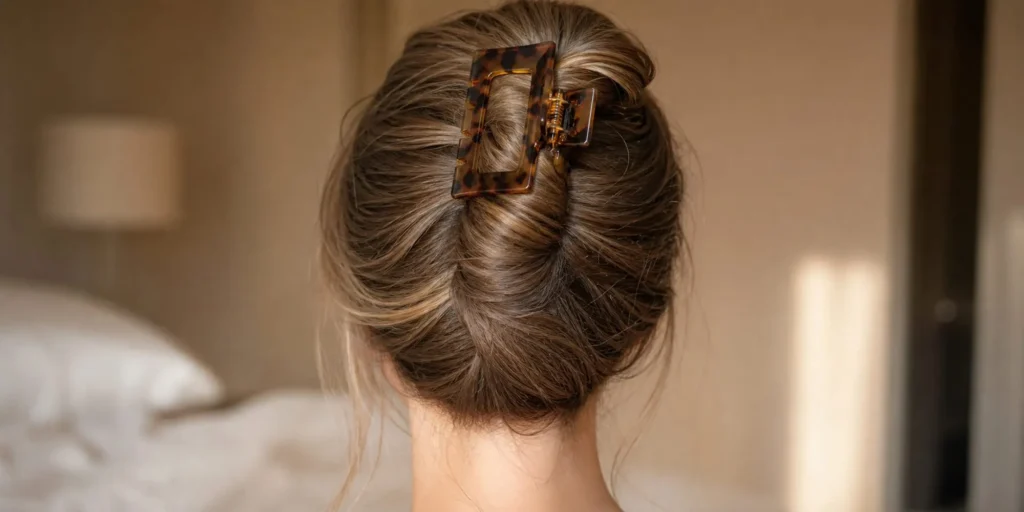
Heatless curls with a claw clip is a styling method that creates soft waves or curls overnight by twisting damp hair into a rope, coiling it at the crown of the head, and securing the coil with a large claw clip instead of using a curling iron or hot rollers. The technique relies on the hair drying in a twisted position, so the wave pattern sets mechanically rather than thermally, avoiding the cuticle damage associated with repeated heat styling. The method requires no specialised equipment beyond a claw clip large enough to hold the full coil, which is why it has become one of the most widely shared heatless styling techniques.
This tutorial covers the full overnight method step by step, the adjustments that matter for different hair types and lengths, the most common reasons the technique fails, and what the trend means for brands and retailers stocking claw clips.
The equipment list is short, and each item affects the result:
| Hair Type / Length | Adjustment | Expected Result |
|---|---|---|
| Fine hair | Lighter product, looser twist, smaller clip acceptable | Soft volume and bend, sets quickly |
| Thick hair | Split into two ropes with two clips, extend drying time | Even waves through the full mass |
| Long hair (waist+) | Twist tighter, coil flatter to keep clip closed | Waves strongest mid-length to ends |
| Shoulder length | Gather lower if crown coil is too short to wrap | Bend and body rather than full curls |
| Wavy base (2A–2C) | Minimal product, standard method | Enhanced, more uniform pattern |
| Colour-treated | Ensure clip teeth are smooth, moderate twist tension | Standard result, lower stress set |
The method has a handful of predictable failure modes, and each has a direct cause:
One honest caveat belongs in any guide to this method: rigid clips are generally not recommended for sleeping when they sit under the head, a point covered in more detail in this guide to hair ties and breakage. The claw clip curl method works around this by placing the clip at the crown, out of the pillow contact zone. Anyone who finds the clip pressing regardless of position gets a similar result from the same twist-and-coil technique secured with a soft scrunchie instead.
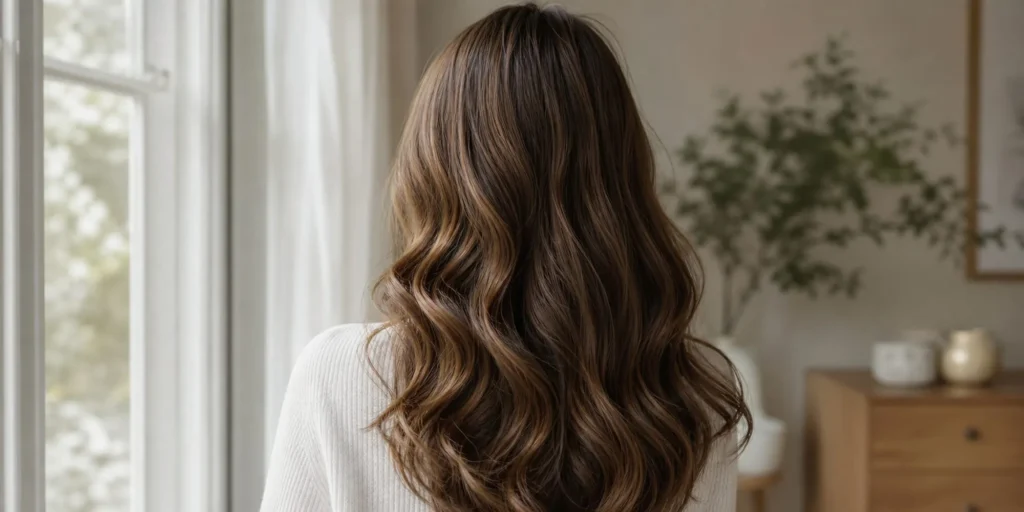
The claw clip curl method sits inside a broader shift in consumer hair care. Repeated thermal styling degrades the hair cuticle, and awareness of heat damage has moved from professional advice into mainstream consumer behaviour, summarised in published overviews of heat damage and hair health. Heatless methods that deliver comparable styling results with a one-time accessory purchase rather than an electrical appliance benefit directly from that shift.
For the accessories market, the notable feature of this trend is that it converts the claw clip from a holding product into a styling tool. A consumer who buys a large claw clip for daytime wear and then adopts the overnight curl method uses the same product twice as often, and specific product attributes start to matter more: jaw capacity for full-coil hold, spring durability under nightly open-close cycles, and smooth tooth finishing that releases the coil without snagging.
The heatless curl trend has practical implications for anyone stocking or developing claw clip lines:
Buyers developing dedicated heatless styling lines can specify these attributes directly through OEM and ODM hair accessories manufacturing programmes, where jaw dimensions, spring tension, and surface finishing are defined at the specification stage rather than accepted from stock.
Q: How do you do heatless curls with a claw clip?
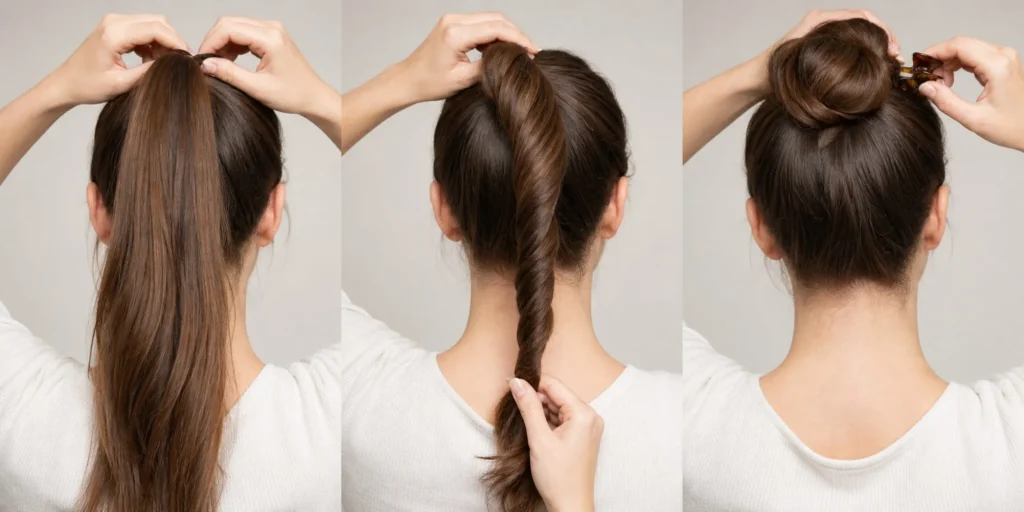
Start with hair around 70 to 80 percent dry, apply a light styling product, gather the hair high at the crown, twist the full length into a rope, coil the rope around its base like a bun, and secure the whole coil with a large claw clip. Sleep with the coil in place and release it in the morning, separating the waves with fingers rather than a brush.
Q: Should hair be wet or dry for claw clip curls?
Damp, not wet. Around 70 to 80 percent dry is the range that works: damp enough for the hair to reshape as it finishes drying, dry enough to actually finish drying inside the coil overnight. Soaking wet hair stays wet until morning and produces no set, while fully dry hair will not hold the new shape without heat.
Q: What size claw clip is best for heatless curls?
Large formats in the 9 to 11 cm range suit most medium to long hair, because the clip must close fully around the entire coiled rope without straining the spring. If the jaws sit wide open or the clip pops off during the night, the clip is undersized for the hair volume, and splitting the hair into two coils secured with two clips solves the problem.
Q: Is it safe to sleep with a claw clip in your hair?
Positioned correctly, yes. The coil sits at the crown of the head, which keeps the rigid clip above the pillow contact zone for back and side sleepers. Sleeping directly on a rigid clip is not recommended, so anyone who feels pressure from the clip regardless of position should secure the same twisted coil with a soft scrunchie instead, which produces a similar wave with a softer anchor.
Q: How long do claw clip curls last?
Typically one to two days, depending on hair type and products used. Fine, straight hair holds the set for a shorter period; hair with natural texture holds it longer. A light mousse or curl cream applied before twisting extends hold noticeably, and refreshing second-day waves with a repeat coil for the last hour before going out is a common maintenance approach.
Q: What should retailers look for in claw clips marketed for heatless curling?
Three specifications separate suitable clips from standard fashion stock: jaw capacity large enough to close over a full coiled rope of hair, spring and hinge construction rated for daily repeated cycles rather than occasional wear, and smooth tooth finishing that releases twisted hair without snagging. These attributes can be specified directly when sourcing through OEM programmes rather than purchasing from stock ranges.
The claw clip heatless curl method earns its popularity honestly: it produces genuine soft waves with no heat damage, no specialised equipment, and a technique that takes two minutes at night. Success comes down to three controllable variables, which are moisture level, twist tension, and clip size, and nearly every failed attempt traces back to one of them. The method also illustrates how a styling trend reshapes product requirements, turning jaw capacity, spring durability, and tooth finish into commercially meaningful specifications for what was previously a simple fashion accessory.
For brands and retailers building claw clip ranges around this use case, manufacturers such as JunYi Beauty, which produces acetate claw clips across the full size spectrum alongside silk and satin scrunchies at its Dongguan facility under ISO 9001:2015 and amfori BSCI certification, offer the product breadth and specification control that heatless styling lines require.
👉 Searching for Hair Accessories ? Your brand deserves the best.