Home
Product
Contact
Odm/Oem
About
A hair accessory design can be copied through drawings, samples, tooling, photos or a supplier’s production network. A contract cannot remove every commercial risk, but a clear set of documents can define what the supplier may use, who owns the files and mold, which partners may see them, and what happens when the project ends. The earlier those points are written down, the easier it is to identify a gap before a sample becomes a market-ready product.
This guide is for brands, importers and product teams developing claw clips, barrettes, headbands and other accessories. It explains the practical roles of an NDA, an NNN agreement, a development or manufacturing agreement, and a tooling-exclusivity schedule. It is a commercial planning guide rather than jurisdiction-specific legal advice; have local counsel adapt the language, governing law and remedies to the countries involved.
Begin with an asset register. Include sketches, CAD files, dimensions, colour references, material selections, artwork, packaging, prototypes, test results, target pricing and launch timing. Note who created each item and whether it contains third-party content. A short label such as “Project A / Clip 03 / Rev B” is more useful than an unstructured folder of filenames. Keep it beside the custom hair clip project scope.
Confidentiality works better when the information can be identified. Mark files and samples, describe oral disclosures in a follow-up email, and keep a record of the date and recipient. The register also helps distinguish your pre-existing design from improvements, supplier know-how and tooling paid for during development.
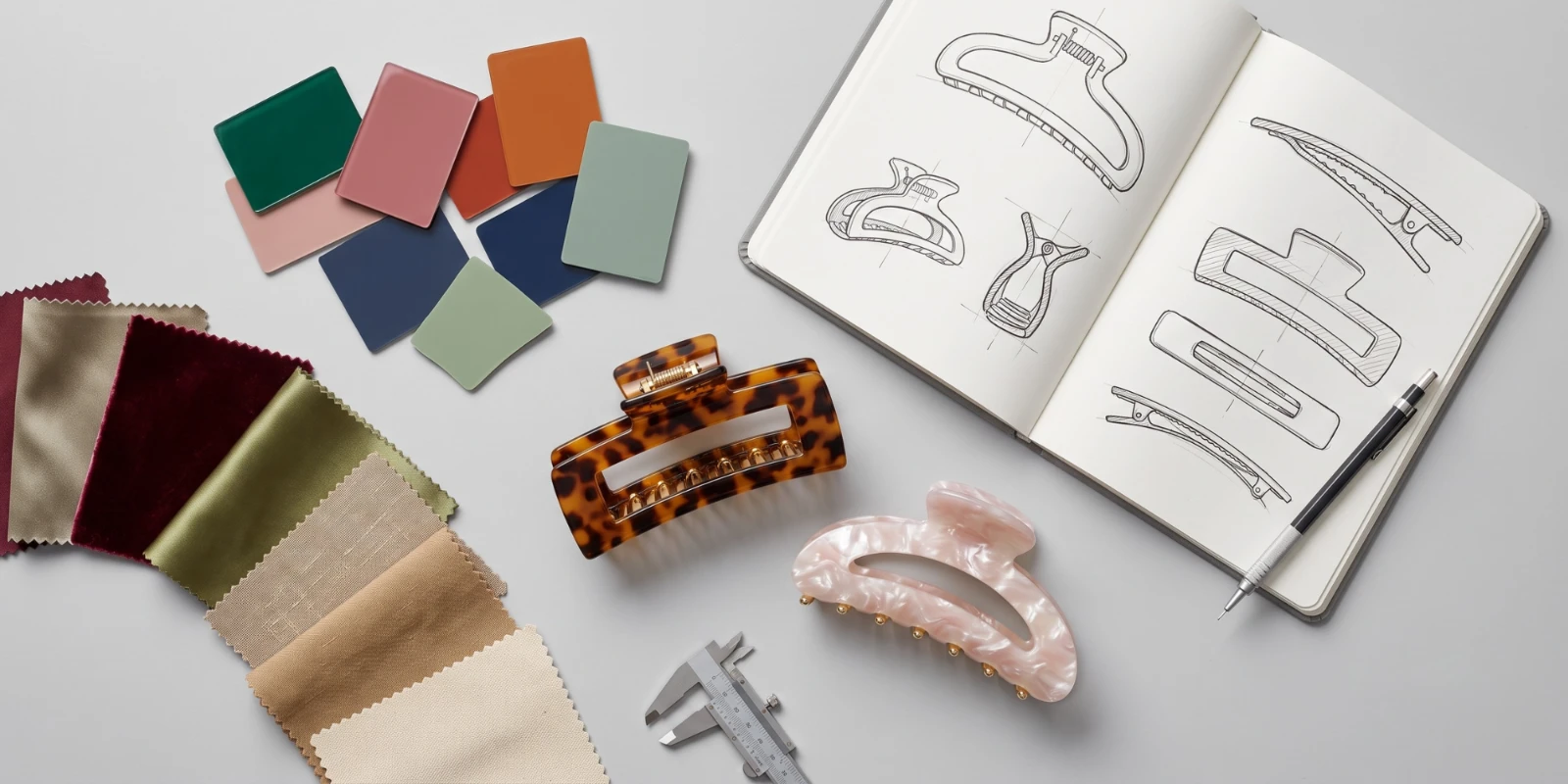
An NDA normally defines confidential information, permitted purpose, approved recipients, security duties, exclusions and the period of confidentiality. It should cover information shared before the final supply contract, because design conversations often begin before a purchase order exists. Include samples and digital files, not only written documents. For claw clips, compare the agreement with the custom claw clip manufacturing route.
Exclusions should be precise: information already public, already lawfully known, independently developed or received from a lawful third party may be treated differently. The agreement should explain what happens when disclosure is required by law and require notice where legally permitted. Avoid copying a generic template without checking whether it fits the countries and entities involved.
NNN commonly refers to non-use, non-disclosure and non-circumvention. Non-use limits the supplier to the agreed project. Non-disclosure limits sharing with employees, subcontractors or other parties who do not need access. Non-circumvention addresses direct dealing with your customers, channels or partners. The exact wording and enforceability depend on the governing law and facts. Identify each item using the hair accessories category structure.
Define who may access the design and what each approved party may do. If a mold maker, plating house or packaging vendor needs a file, identify that route and make the supplier responsible for passing on equivalent duties. A clause that says “keep secret” without defining access, purpose and return is difficult to manage in production.
State which assets belong to the buyer before the project, which belong to the supplier before the project and which will be created jointly or specifically for the order. A supplier may have a standard clip platform, spring design or manufacturing method. Your custom silhouette, logo artwork or approved revision may be different. The contract should say who may use each category after the project ends.
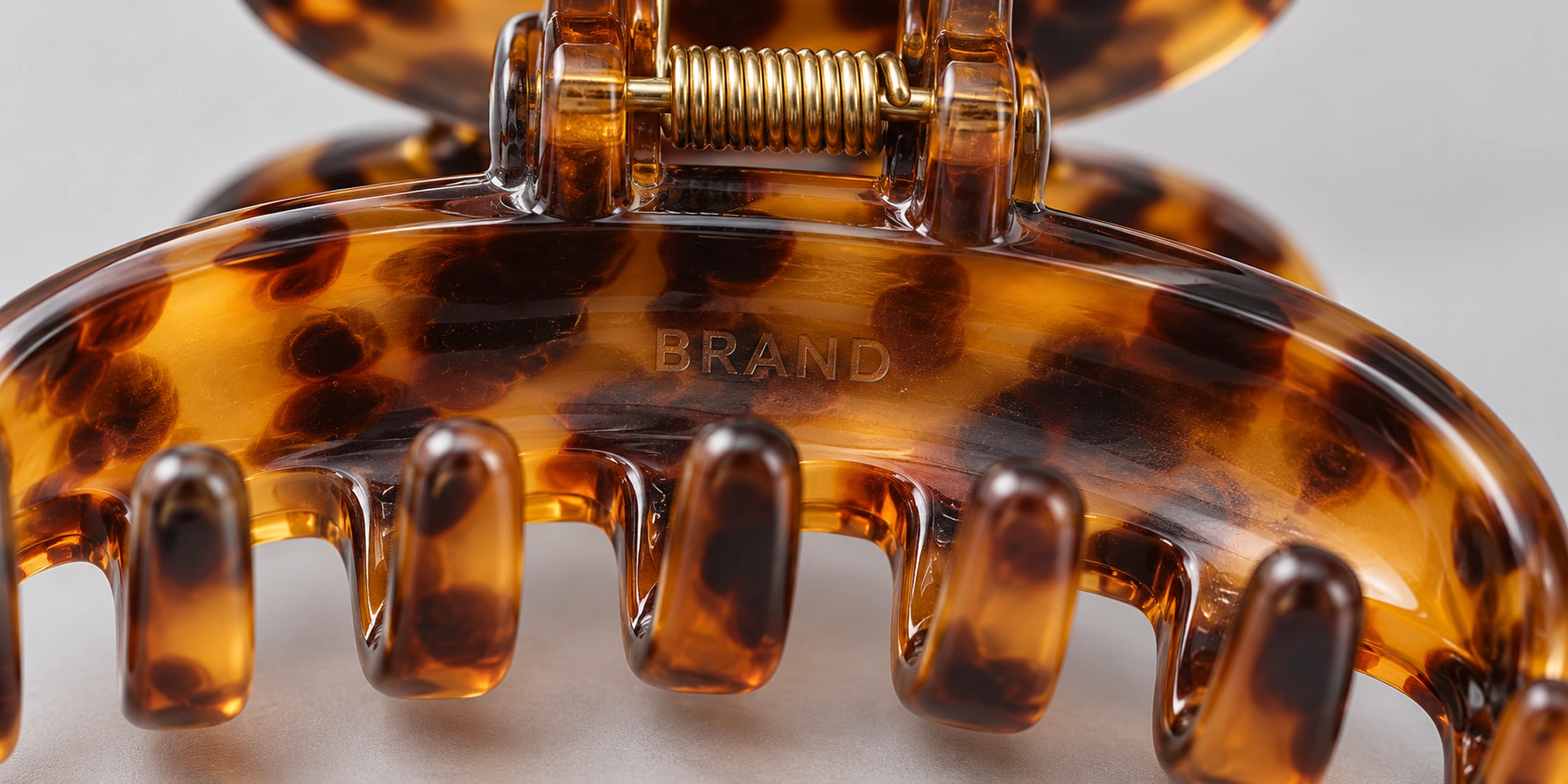
For a custom mold, record the mold number, cavity or component description, material, revision, storage location, maintenance responsibility, access rights and release conditions. State who paid for the mold and whether the supplier may use it for another customer. If the mold is stored at a third-party facility, identify that facility and require notice before a move or disposal.
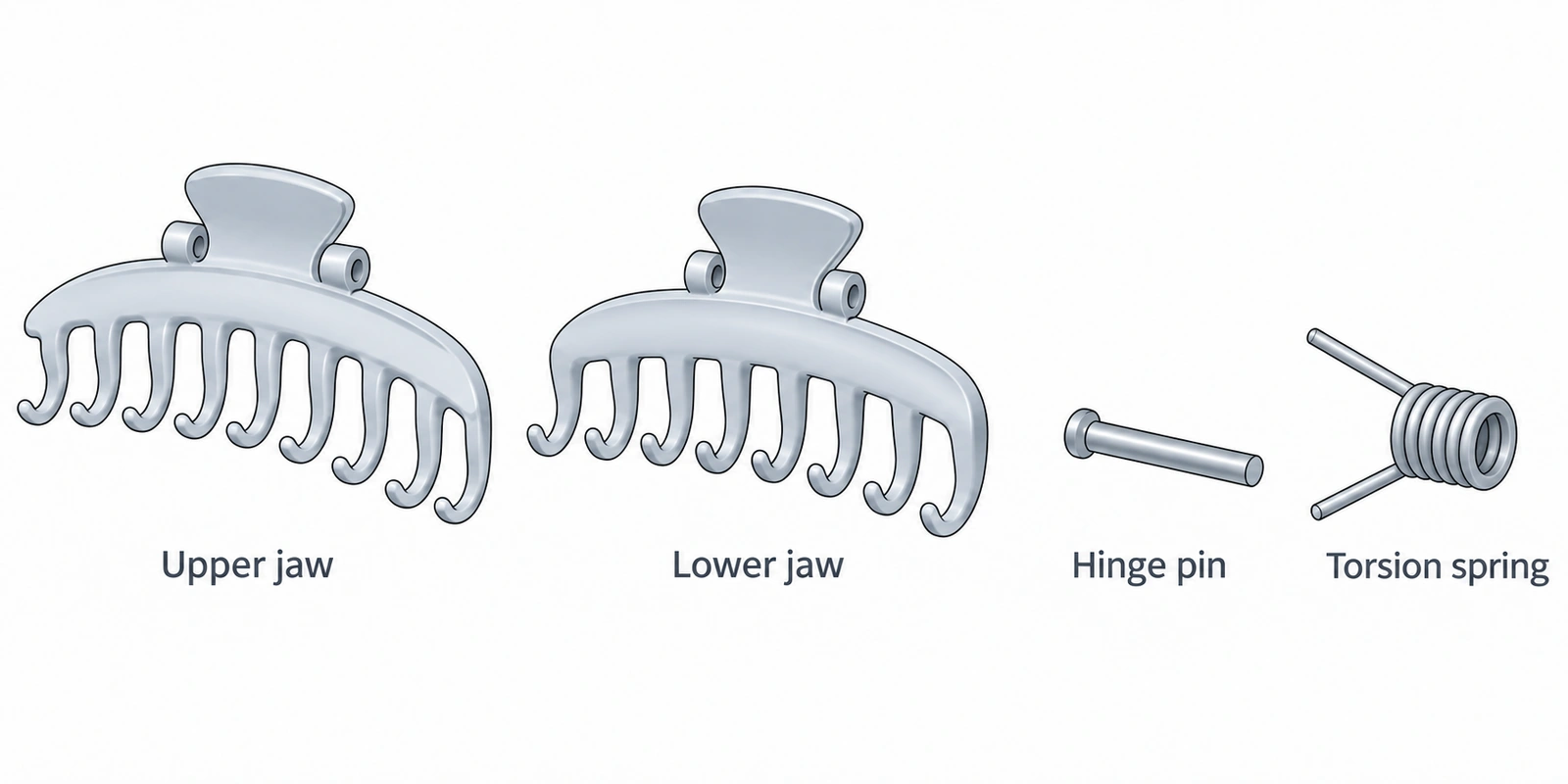
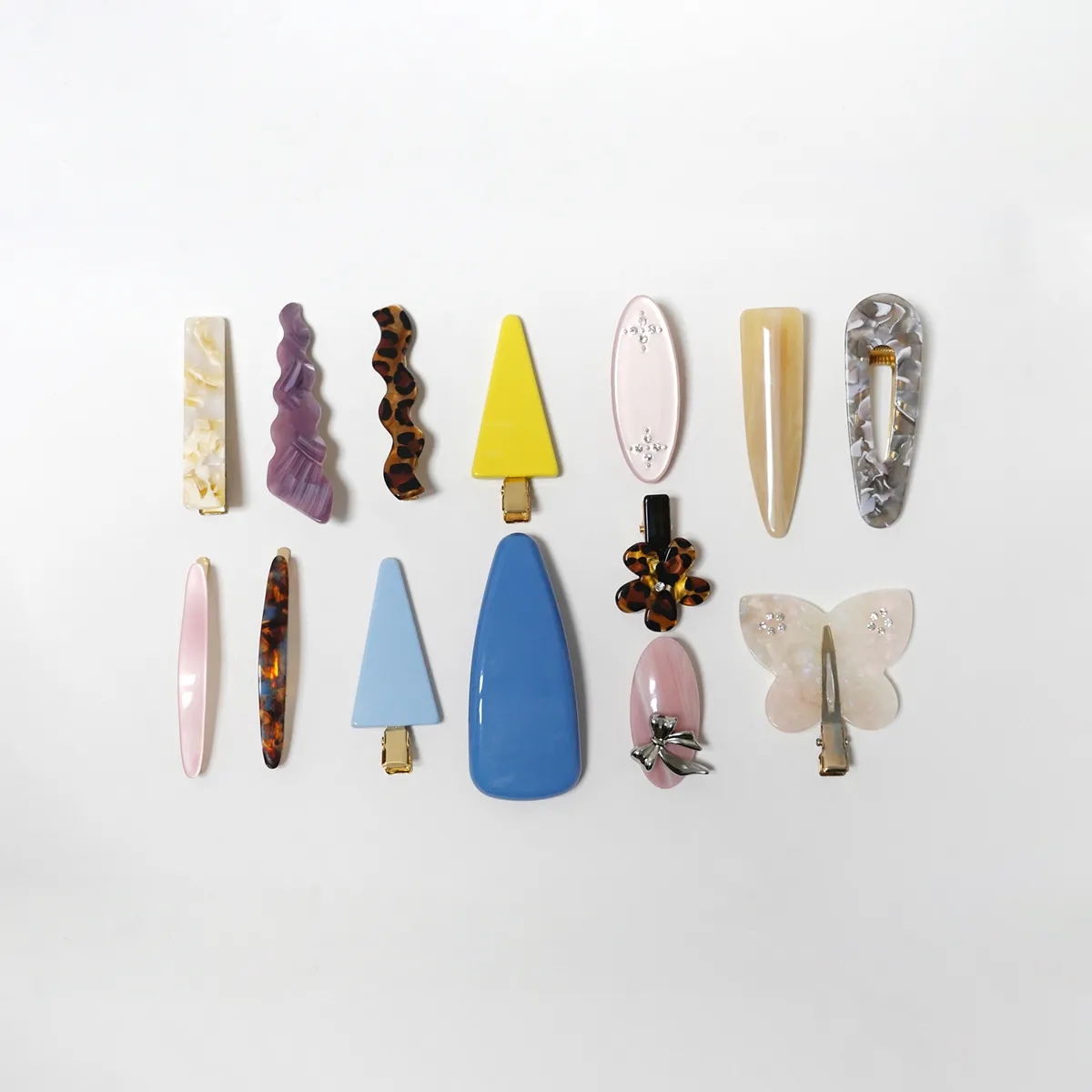
Mold ownership does not automatically transfer every design right, and paying for tooling does not always mean the tool can be collected immediately. The practical contract should cover inspection, maintenance, repair approval, transfer assistance, end-of-life disposal and the records needed to identify the tool. Keep photographs and a signed tooling record with the purchase file. Link it to the mold and tooling cost guide.
Exclusivity can mean exclusive ownership of a mold, exclusive use of a mold, exclusive sale of a particular shape, or a time-limited channel or territory restriction. Write the exact boundary. A supplier might be allowed to produce the same base mechanism for another customer but not your logo, artwork or custom outer silhouette. If that is the deal, say so.
Specify the identifiers that make the design recognizable: critical dimensions, hinge geometry, tooth profile, surface pattern, colour code, logo placement and packaging. Attach drawings or photographs with revision numbers. Avoid relying on a product name that could describe several different shapes.
Require written approval for material substitutions, mold modifications, process transfers, new subcontractors and changes to a critical component. Add a notice period for planned changes and a right to request a sample or inspection. The purpose is traceability: if a similar product appears in another channel, you can compare revisions and production records rather than arguing from memory. Record the ODM/OEM workflow used to develop the item.
Store the signed agreement, asset register, transmission log, sample approvals, tooling invoice, mold record, inspection reports and change approvals together. Record which person received each file and whether access was returned or deleted. For physical samples, record quantity, date, courier and recipient. These simple controls make a later conversation more specific.
Discuss injunctive relief, damages, return or destruction, audit rights, delivery suspension, tooling transfer and dispute resolution with counsel. A remedy should be connected to the breach: unauthorized use, disclosure, customer circumvention, refusal to return a mold or production of an unapproved revision may require different evidence. Do not promise that a clause will be enforceable everywhere.
| Risk | Document or control | Evidence to retain |
|---|---|---|
| Design shared too broadly | NDA/NNN access and purpose limits | Signed agreement and transmission log |
| Custom shape reused | Defined exclusivity and design identifiers | Revision drawing, sample and approval email |
| Mold ownership disputed | Tooling schedule and transfer terms | Invoice, mold ID, photos and storage record |
| Subcontractor sees files | Approved-party list and flow-down duties | Written approval and subcontractor acknowledgment |
WIPO explains that trade-secret protection depends on information being secret, commercially valuable because it is secret, and subject to reasonable steps to keep it secret. An NDA helps, but access control, marking, secure transfer and return or destruction procedures also matter. Treat this as a management system around the contract, not a single signature event.
WIPO’s supplier IP guidance also describes agreements that define rights, access and permitted use during a supplier relationship. Use it to frame questions for counsel: is the supplier licensed to use your artwork, who owns an improvement, can the supplier show a sample in a catalog, and what records prove return or deletion?
Choice of law, language, venue, registration and evidence rules can affect the practical value of a contract. A bilingual agreement may need a controlling-language clause. A design that is registrable as a design right or trademark may need a separate filing strategy. Ask counsel to review the complete supply route, including the supplier’s subcontractors and your sales markets.
Also decide how commercial teams will use the document after signing. Sales should know which customer names, photographs and samples may be shown. Product teams should know which revision can be sent to a new vendor. Finance should know whether a tooling payment is tied to a transfer right, a maintenance obligation or a milestone. These operating rules reduce accidental disclosure and make the contract usable beyond the legal folder. Keep the baseline aligned with the quality-control guide.
For launch planning, link the protection file to the purchase-order checklist. Record the approved sample, packaging artwork, carton marks, inspection level and change-contact list. If a supplier asks to substitute a material or move a tool, the request should be compared with that baseline. A design-protection process is practical when it helps the team notice a change early, not when it is opened only after a dispute. Request written confirmation through the factory contact page.
Is an NDA the same as an NNN agreement? No. An NDA focuses on confidentiality, while NNN terms add restrictions on use and circumvention. The names are not universal legal categories, so the operative clauses and governing law matter more than the label.
Who owns a custom mold if the buyer paid for it? Payment is evidence of the commercial arrangement, but ownership, possession, maintenance and transfer rights should be stated in a signed tooling schedule. Keep the mold identifier and records with the agreement.
Can a contract stop every similar hair clip from appearing? No contract can guarantee that. It can define your protected assets, permitted use and remedies. Distinguish independently developed designs, standard mechanisms and your specific confidential or registered rights.
Protecting a hair accessory design is a sequence: map the assets, restrict access, define ownership, identify the mold, control changes and keep evidence. The related mold and tooling cost guide and quality-control guide help connect the legal record to the production record before a tool is ordered. Manufacturers such as JunYi Beauty can be assessed using the same written asset, tooling and approval controls. For general background, read WIPO’s guidance on trade secrets and supplier IP agreements, then obtain advice for the jurisdictions in your transaction.
👉 Searching for Hair Accessories ? Your brand deserves the best.