Home
Product
Contact
Odm/Oem
About
Mold and tooling costs are development charges for the equipment needed to manufacture a custom hair accessory. The total depends on what is being built and how it will be used. Before paying, you need a defined scope, a payment schedule, and written ownership terms.
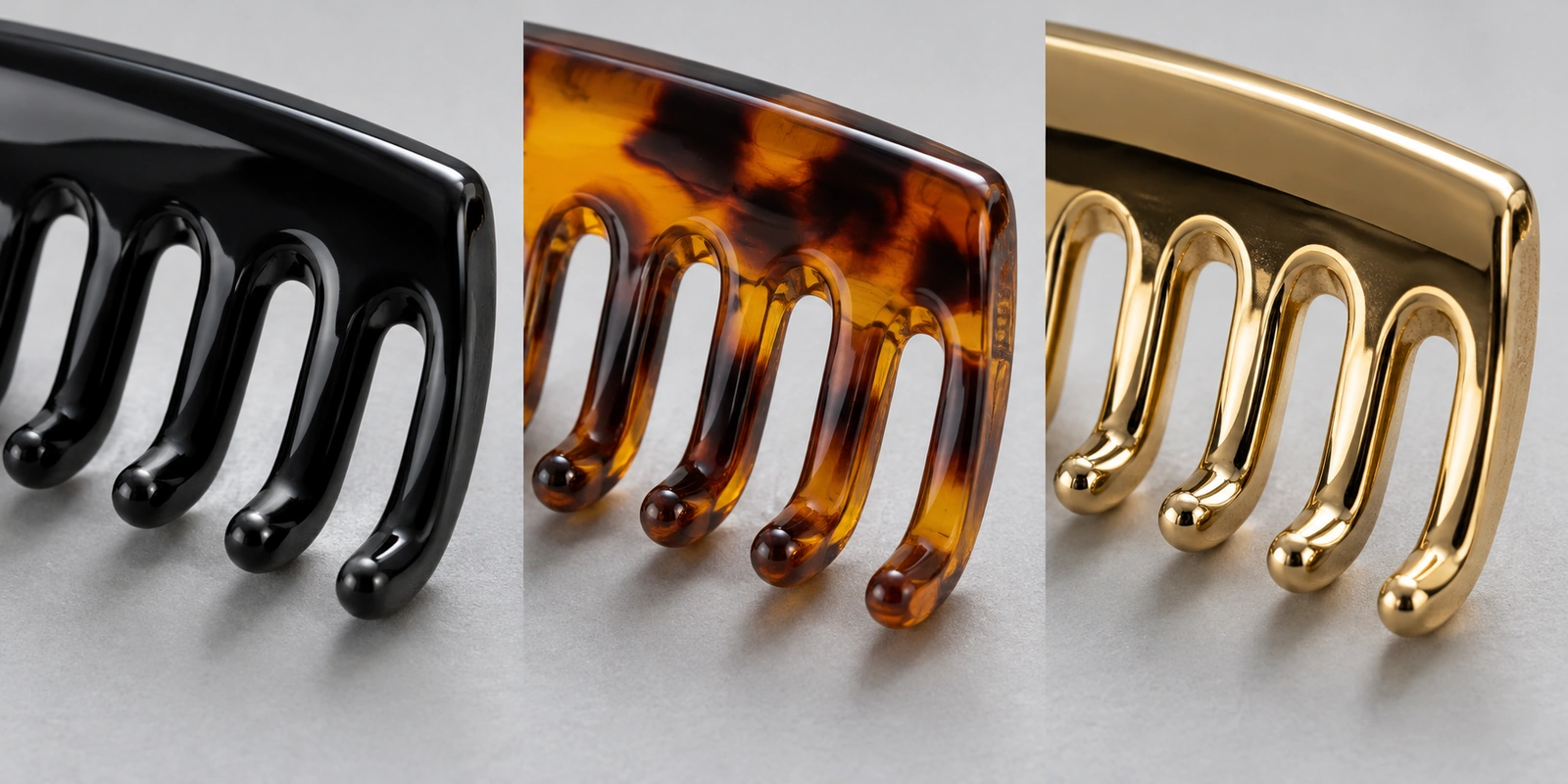
A “mold fee” should identify a deliverable. It might fund a complete new mold, an insert fitted into an existing mold, or equipment for another operation. These are different deliverables, with different production dependencies. Paying for an insert, for example, leaves a practical question: which mold base will hold it, and will that base be available for future orders?
The manufacturing route comes first. An injection-molded claw clip needs tooling for its molded components; a sheet-cut accessory has a different equipment list. Identify the operations and equipment covered by the quotation before comparing tool fees.
Use a scope breakdown to see what the development charge includes:
| Item | Scope To Identify | Approval Reference |
|---|---|---|
| Design Work | Files And Revisions | Approved Drawing |
| Mold Or Inserts | Components And Cavities | Identified Tool List |
| Other Fixtures | Forming Or Assembly | Operation List |
| Trial Work | Samples And Corrections | Acceptance Criteria |
For an assembled claw clip, the body components, hinge, spring, and finishing operations also need a clear boundary. Existing purchased components need not be presented as newly commissioned tooling. The separate guide to injection molding for hair accessories explains the production process; this breakdown establishes what the tooling payment delivers.
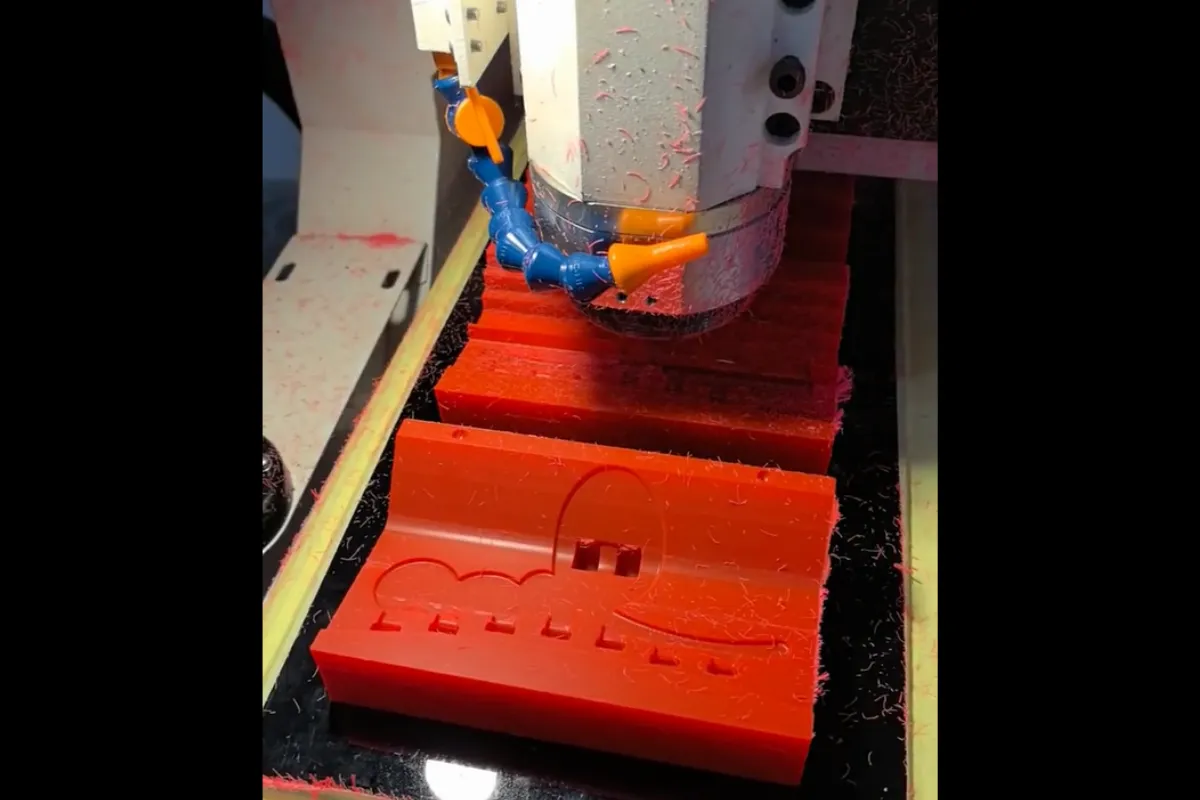
Tooling costs depend on geometry, cavity layout, surface requirements, and part size. A useful comparison therefore starts with the same product drawing, component coverage, and finish requirements.
An undercut is a feature that can obstruct straight removal from the mold. A design that needs additional release mechanisms can require more tooling work. Fine surface requirements can add polishing or other finishing work to the mold. The useful design question is which details affect function or visible appearance, and which could be simplified before machining begins.
Cavity count needs similar care. More cavities can produce more components per molding cycle, but the tooling investment and production arrangement change. For an assembled clip, a quoted cavity count is incomplete unless it identifies the component produced. Four cavities for one half do not automatically mean four complete clips leave the machine each cycle.
Compare offers against the same drawing revision, material, finish, component coverage, and production assumptions. A lower total may omit a fixture or include fewer trial rounds. A higher total needs an explanation of its extra scope. Broader material, decoration, and packaging costs belong in the custom claw clip cost guide; keep this comparison centered on the equipment investment.
An upfront tooling fee is paid separately; with per-piece recovery, the unit price includes a tooling contribution. An upfront fee commits cash earlier, while per-piece recovery links payments to orders. Neither schedule, by itself, explains who owns the tool or whether it can leave the supplier.
Compare the total at a realistic order volume, including the first order and likely repeats. In a simple allocation, a fixed tooling fee divided by the number of accepted pieces gives the tooling cost per piece. Doubling that quantity halves the allocated amount, provided the fee and tool remain unchanged. That arithmetic does not promise that the supplier’s selling price will halve.
The payment models below require different follow-up terms:
| Payment Model | Cash Commitment | Term To Set |
|---|---|---|
| Upfront Fee | Earlier Funding | Milestones And Deliverables |
| Per-Piece Recovery | Linked To Orders | Ceiling And Stop |
| Fee With Rebate | Earlier Funding | Rebate Eligibility Conditions |
For per-piece recovery, separate the tooling contribution from the manufacturing price and define when it stops. The record should identify which accepted quantities count, the recovery ceiling, and the price afterward. Otherwise, repeat orders give you no clear way to tell how much development cost has been recovered.
A rebate conditional on future purchases is not an unconditional reduction in the initial fee. Compare a launch-only order scenario with a repeat-order scenario, and establish what happens to any unpaid balance or unearned rebate if the project ends.
The written agreement should identify the physical tool’s owner and any conditions for transfer. “Custom mold” describes the work; it does not explain whether the buyer receives title to a complete tool, owns only an insert, or is paying for access to supplier-owned equipment. The ownership record should name the assets and the event at which any agreed title transfer takes effect.
Physical ownership and intellectual property need separate treatment. WIPO’s guidance on supplier IP agreements distinguishes assignment of IP from permission to use it. It also recommends clarifying existing IP, newly developed results, and improvements.
For a hair accessory project, this means identifying the buyer’s original artwork or geometry, the supplier’s existing design elements, and the modifications developed during engineering.
Consider a new decorative shell using an existing hinge arrangement. The agreement needs to describe the rights to each element. A promise concerning the shell should not be read as a transfer of every underlying mechanism or production method. Access to usable design files also needs to be explicit; a product drawing and an editable manufacturing file serve different purposes.
Exclusivity is another question. A restriction on using one identified mold does not describe what happens if the design is reproduced with different equipment. If design exclusivity matters, define the protected design and permitted uses as well as tool use. These are terms to negotiate for the project, rather than legal conclusions inferred from the tooling invoice.
A tool should be assessed against an agreed product specification. A polished sample may look acceptable while leaving tooth alignment, hinge fit, or opening movement unresolved. For a claw clip, choose checks that cover the assembled accessory as well as its separate components. The acceptance record needs the drawing revision, material, finish, and applicable test or inspection method.
Distinguish a concept prototype from a sample made using the intended production equipment. The prototype can help settle shape or appearance; it cannot demonstrate the condition of a tool it was never made with. Tool-made samples, linked to the relevant tool and cavity arrangement, provide a more useful reference for that stage of approval.
Correction responsibility is easier to resolve when the reason for the change is clear. A sample that misses the approved specification raises a different question from a buyer-requested shape change after design approval. Set out the included corrections, the approval route for additional work, and the deliverables associated with each payment milestone before cutting begins.
Retain the approved sample and inspection record together. They make later discussions about a changed edge, fit, or surface more precise. Tool acceptance should identify the configuration being accepted and any open issues; production orders still need their own agreed quality controls.
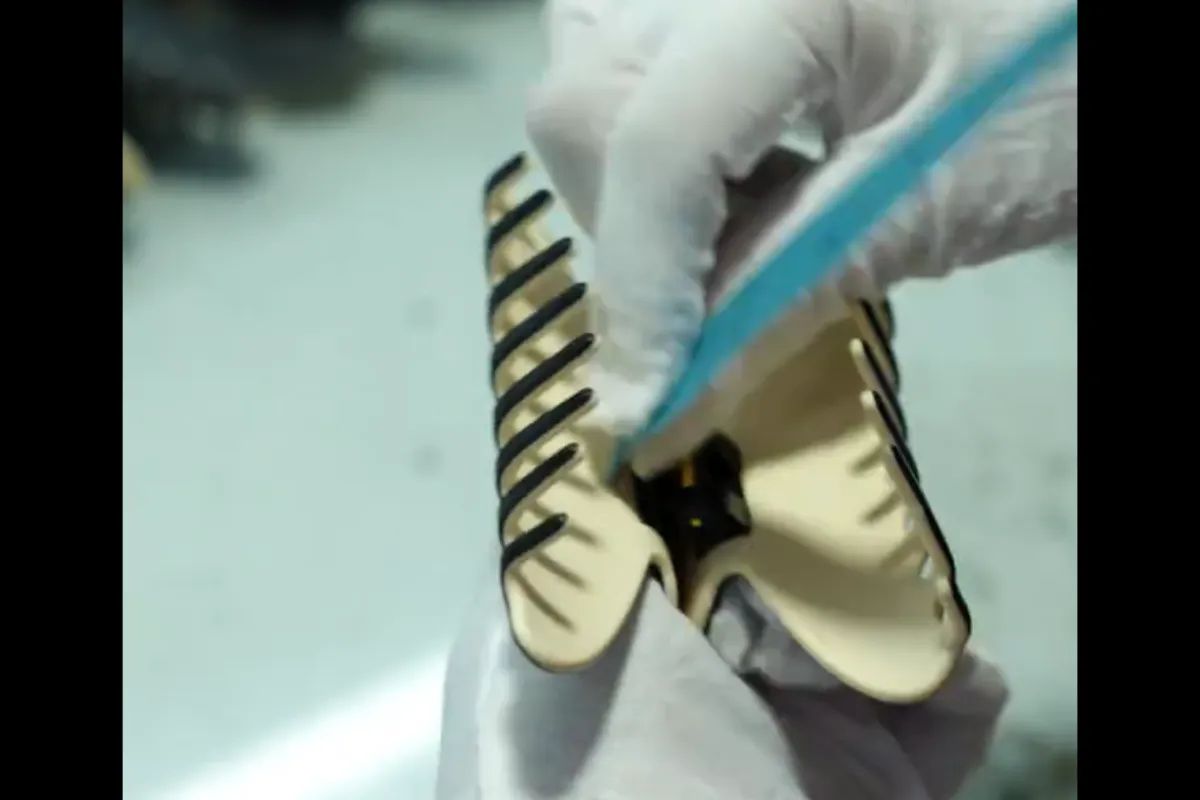
For repeat production, the tool needs to be locatable, maintained, and available when required. The custody record should connect its ID to a location, responsible holder, product revision, and condition. If a subcontractor holds it, the arrangement also needs to identify who can authorize access or release.
Storage and maintenance terms turn that record into a workable plan. Specify responsibility for routine care, reporting damage, approving repairs, and checking the tool before reuse. Inactive-tool terms should explain charges, notice, and disposal authorization. An ownership statement alone gives no useful answer about indefinite storage or the cost of restoring neglected equipment.
Transfer requires both agreed release conditions and a technical review. The release list should name the mold, removable inserts, available drawings, and maintenance records. The receiving manufacturer then needs to assess compatibility with its equipment and the adaptation or trial work required. Ownership does not establish that another factory can immediately run the same tool.
For inserts used in a supplier’s shared mold base, that review is especially important: the base may be outside the release scope. Resolve this dependency while comparing offers if future transfer is a priority. A clear exit arrangement makes the original tooling investment easier to evaluate, even when production stays with the same supplier.
Not necessarily. For an injection-molded clip, color can be introduced through the resin rather than by changing the cavity shape. If geometry and resin grade stay the same, assess colorant compatibility and sample approval before commissioning a new tool. A material or finish change needs its own review.
Sometimes. A molded-in logo changes the tool surface, so its size, depth, location, and effect on release need review. Printing or laser marking the finished part is a different route and may avoid changing the cavity. Confirm the selected process and compatible material before assuming that existing tooling can be retained.
Not always. For an injection-molded component, a size change alters cavity geometry. Some revisions can be machined into an existing metal tool, while changes that require adding metal may be difficult or impractical. Feasibility depends on the direction of the change and the existing geometry, so have the revised drawing reviewed before choosing modification or replacement.
JunYi Beauty is a Dongguan-based OEM/ODM hair-accessory manufacturer with over 25 years of experience and an existing hair-clip mold library. For a custom claw clip project, compare existing tooling with new tooling before assessing mold and tooling costs, payment obligations, and ownership terms.
👉 Searching for Hair Accessories ? Your brand deserves the best.