Home
Product
Contact
Odm/Oem
About
Payment terms for custom hair accessories are the agreed rules for when a buyer pays a factory, how much at each stage, and by which method. The most common structure for a first order is a deposit before production and the balance before shipment, paid by bank transfer. Terms matter as much as unit price, because they decide who carries the risk if something goes wrong between the sample and the shipment.
Factories and buyers use a small number of standard structures. The comparison below summarises how they work and who carries the risk.
| Terms | How It Works | Buyer Risk | Typical Use |
|---|---|---|---|
| 30% deposit, 70% before shipment | Deposit starts production; balance after inspection | Moderate | Most first orders |
| 50% deposit, 50% before shipment | Higher deposit covers custom materials | Higher | Custom colors, new molds |
| 100% before production | Full payment upfront | Highest | Samples, very small orders |
| Letter of credit | Bank pays against shipping documents | Low | Large orders, new partners |
| Open account | Payment after delivery on agreed days | Lowest for buyer | Long-term, established accounts |
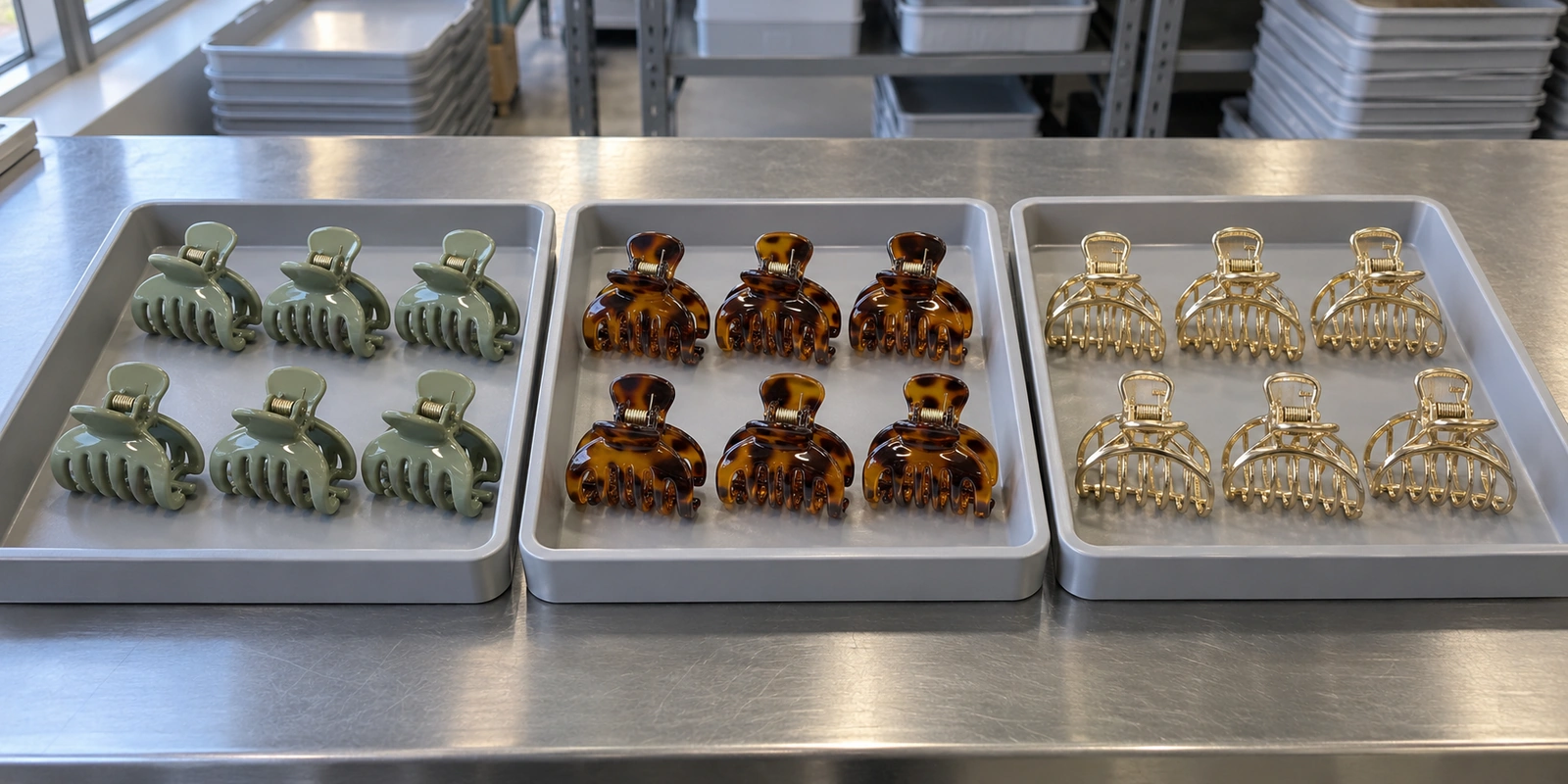
A custom order commits the factory to buy materials it cannot resell: dyed fabric, custom acetate sheet, printed packaging, or a new mold. The deposit covers that exposure. Without it, the factory carries the full risk of a cancelled order.
Once goods leave the factory, the supplier loses control of them. Paying the balance after a pre-shipment inspection but before loading gives both sides a checkpoint: the buyer sees the goods, and the factory is paid before release.
Not every payment is part of the order deposit. Mixing them up causes most invoice disputes.
Sample fees and courier costs are usually paid in full before sampling. Some factories credit the sample fee against the first bulk order. Confirm this in writing, because a credit promised by email is easy to forget.
A new claw clip or barrette shape needs a mold. Tooling is either paid upfront, often in full before mold making starts, or spread into the unit price. The pricing side of that choice is covered in the guide to what custom claw clips cost.
Printed packaging may be invoiced separately if it comes from an outside printer. Third-party lab tests are usually paid by the buyer to the lab, or added to the order at cost.
The method matters for fees, speed, and protection. Each one suits a different stage of the relationship.
A telegraphic transfer is the standard method for deposits and balances. Fees are low, but a transfer is hard to reverse. It is only as safe as the bank details are correct.
Under a letter of credit, the buyer’s bank pays the factory only when it receives the agreed shipping documents. It protects both sides on large orders but adds bank fees and paperwork, and a small error in the documents can delay payment. Few factories accept L/C for orders of a few thousand pieces.
For a visual explanation of how a letter of credit works, see below:
Cards and PayPal are convenient for samples and small orders. Fees are higher, and many factories add them to the invoice or accept these methods only for samples.
B2B marketplaces offer escrow-style protection that holds payment until the order is confirmed. It suits buyers who found the supplier on that platform and want a dispute process.
The biggest payment risk in sourcing is rarely the factory itself. It is paying the wrong account.
Fraudsters who gain access to email accounts send fake “updated bank details” mid-order. Before any transfer, confirm the account name and number on a call with a known contact. Never accept bank changes by email alone. Business email compromise cases can be reported to the FBI’s Internet Crime Complaint Center (IC3) in the United States and to national police elsewhere.
The account name should match the company on the business license and the pro forma invoice. A personal account or a third-party company name is a reason to stop and ask questions.
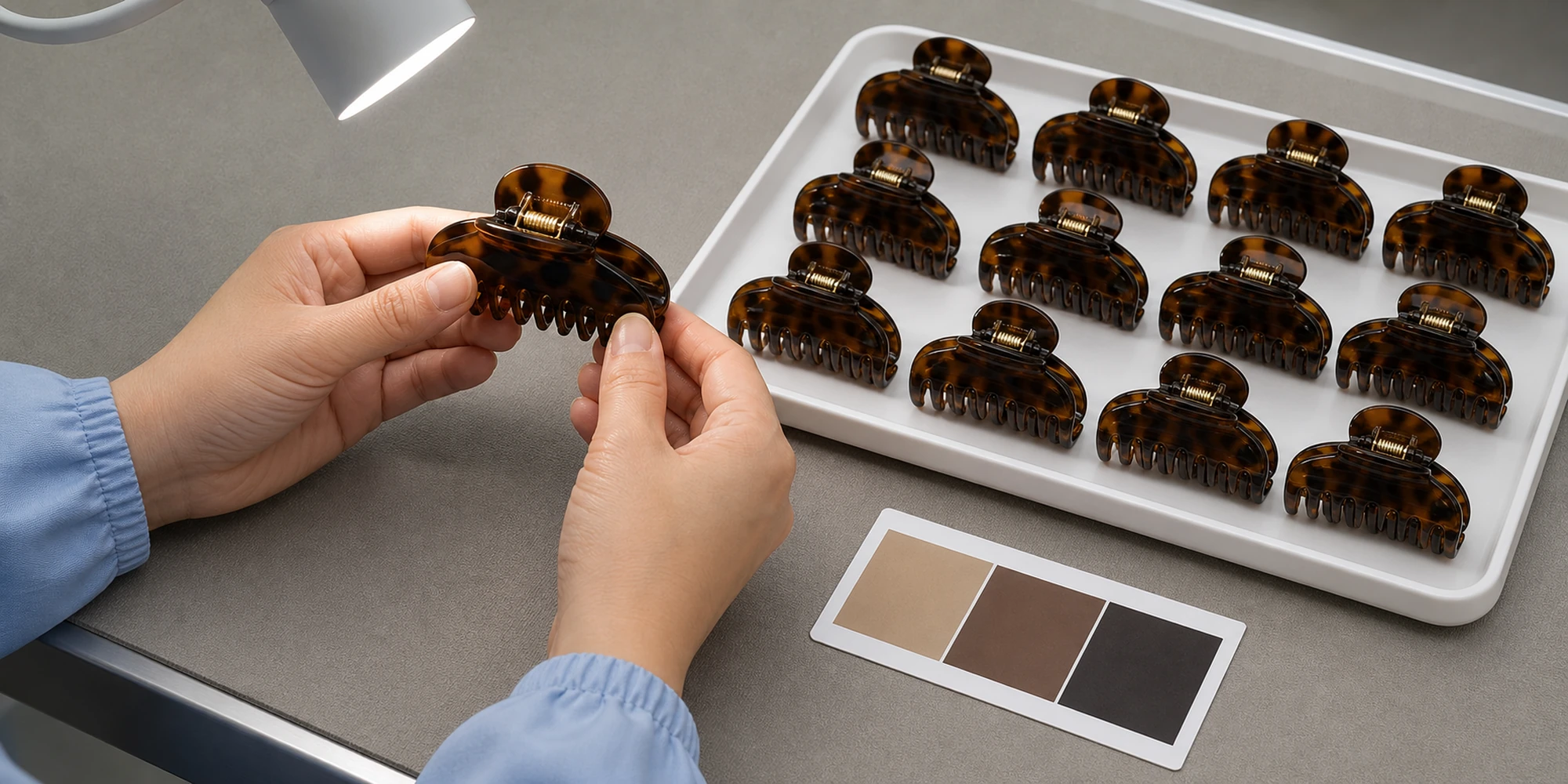
Payment milestones work well when each one is tied to something the buyer can check.
Pay the deposit only after the pre-production sample is signed. That way the deposit funds the version you approved, not a draft. The sampling process guide explains how sign-off works.
Book a pre-shipment inspection before paying the balance. If defects are found, the factory reworks the goods while it still holds them.
The ICC Incoterms rules define who pays for freight, insurance, and export clearance. EXW, FOB, and DDP prices for the same order are different numbers, and the invoice should say which one applies.
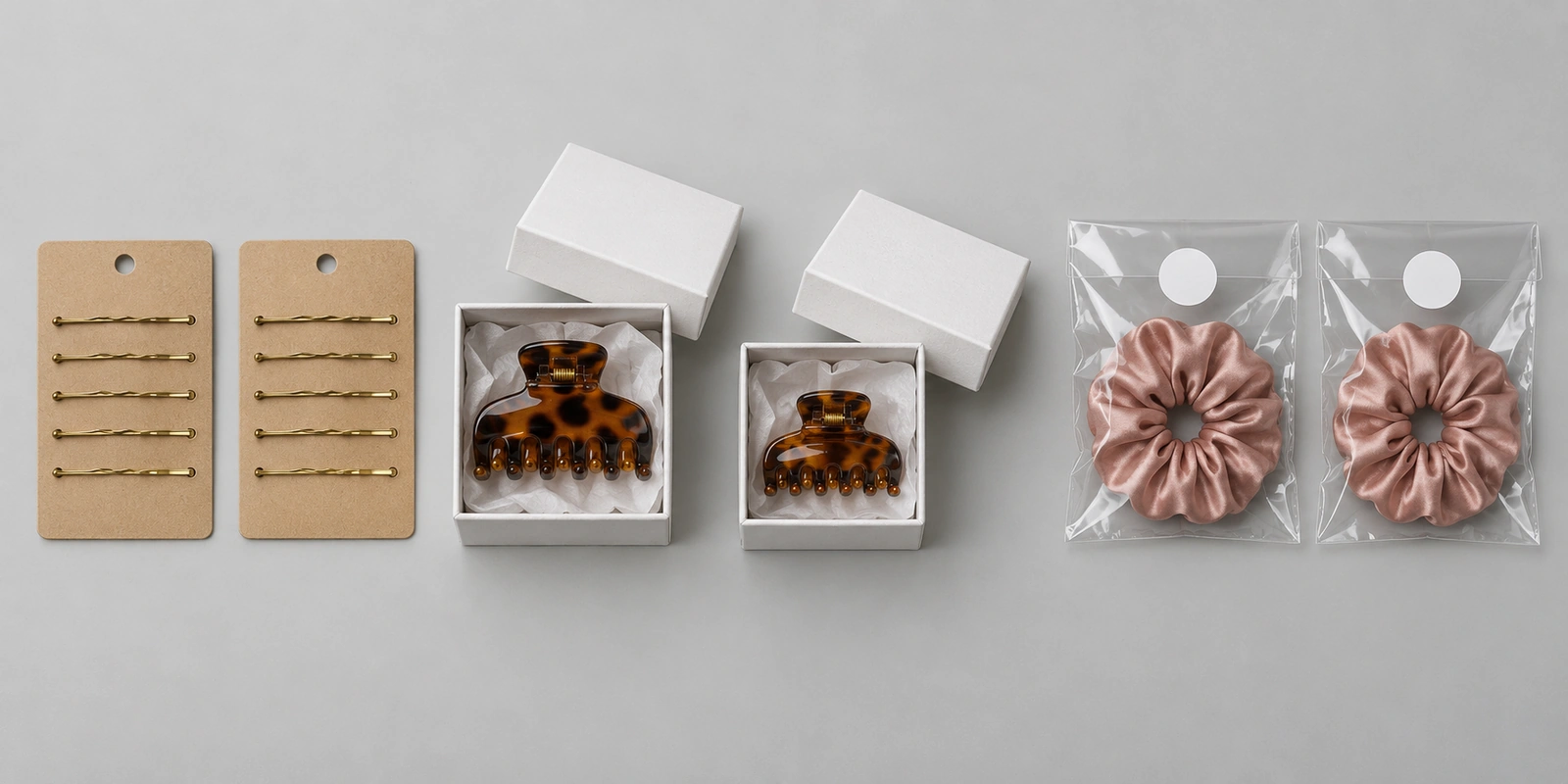
Terms are rarely fixed forever. They usually improve as the relationship builds a payment and order history, and good records make that history easy to show. Every later order, audit, and dispute is easier when the documents for each order sit in one folder.
Once a buyer has paid on time and reordered, factories are often willing to lower the deposit or extend the balance until shortly after shipment. Ask for the change in writing before the next order, not after the deposit is paid.
Repeat orders carry less risk for the factory: the mold exists, the colors are matched, and the packaging is approved. That makes them the natural place to ask for lighter terms.
For a large order, splitting delivery into two or three shipments lets the buyer pay the balance in stages. It also spreads warehouse and cash-flow pressure.
The pro forma invoice records what was agreed before production. The commercial invoice, issued at shipment, is used for customs. Quantities and values on the two should match unless a change was agreed in writing.
Keep the bank’s confirmation for every deposit and balance, showing the beneficiary name, account, and amount. It is the first thing a bank or a supplier will ask for if a payment goes missing.
The inspection report shows what the buyer accepted before paying the balance. The packing list shows carton counts and contents. Together they help resolve shortages found on arrival.
Most payment problems come from avoidable process gaps, not from dishonest suppliers.
A chat message with a total is not an invoice. Without a pro forma invoice, there is no agreed record of quantities, prices, and milestones if a dispute arises.
Once the full amount is paid, the buyer has little influence over whether defects are reworked. The inspection should come first.
International transfers pass through intermediary banks that may deduct fees. Agree who pays them. A balance that arrives short can hold up the release of goods while the difference is settled.
Sample fee credits, discounts, and agreed deductions should appear on the next pro forma invoice. Credits that live only in old emails tend to be forgotten by both sides, and recovering them later takes time on both ends.
Q: What payment terms do hair accessory factories usually offer?
The most common structure for a first order is a 30% deposit before production and the 70% balance before shipment, paid by bank transfer. Custom materials or new molds can raise the deposit, and long-term accounts may move to payment after delivery.
Q: Are mold fees part of the deposit?
Usually not. Tooling for a new shape is often invoiced separately and paid before mold making starts, or spread into the unit price over an agreed quantity. Confirm which applies before paying.
Q: Is a letter of credit worth it for a small order?
Rarely. Bank fees and document requirements make L/C costly for orders of a few thousand pieces, and many factories do not accept it at that size. It suits large orders with a new partner.
Q: How can I avoid payment fraud when sourcing from China?
Confirm bank details by phone or video with a known contact before every transfer, pay only to an account in the company’s own name, and ignore any “new bank account” request sent by email alone.
Q: When should the balance be paid?
After a pre-shipment inspection confirms the goods match the approved sample, and before the goods are loaded. That gives the buyer a quality checkpoint while the factory still holds the goods.
Good payment terms for custom hair accessories tie each payment to a checkpoint: the deposit to an approved sample, the balance to a passed inspection. Verified bank details matter as much as the percentages.
Manufacturers such as JunYi Beauty, which supplies OEM hair accessories from its Dongguan facility to brands in North America, Europe, and Asia, represent the type of OEM and ODM hair accessory supplier that issues pro forma invoices in its own company name with clearly stated payment milestones.
👉 Searching for Hair Accessories ? Your brand deserves the best.