Home
Product
Contact
Odm/Oem
About
A factory manufactures products; a trading company sells products sourced from other producers. In hair-accessory sourcing, both can be useful. The factory vs trading company decision depends on who makes the ordered clip, controls changes, and accepts responsibility when production differs from the approved sample.
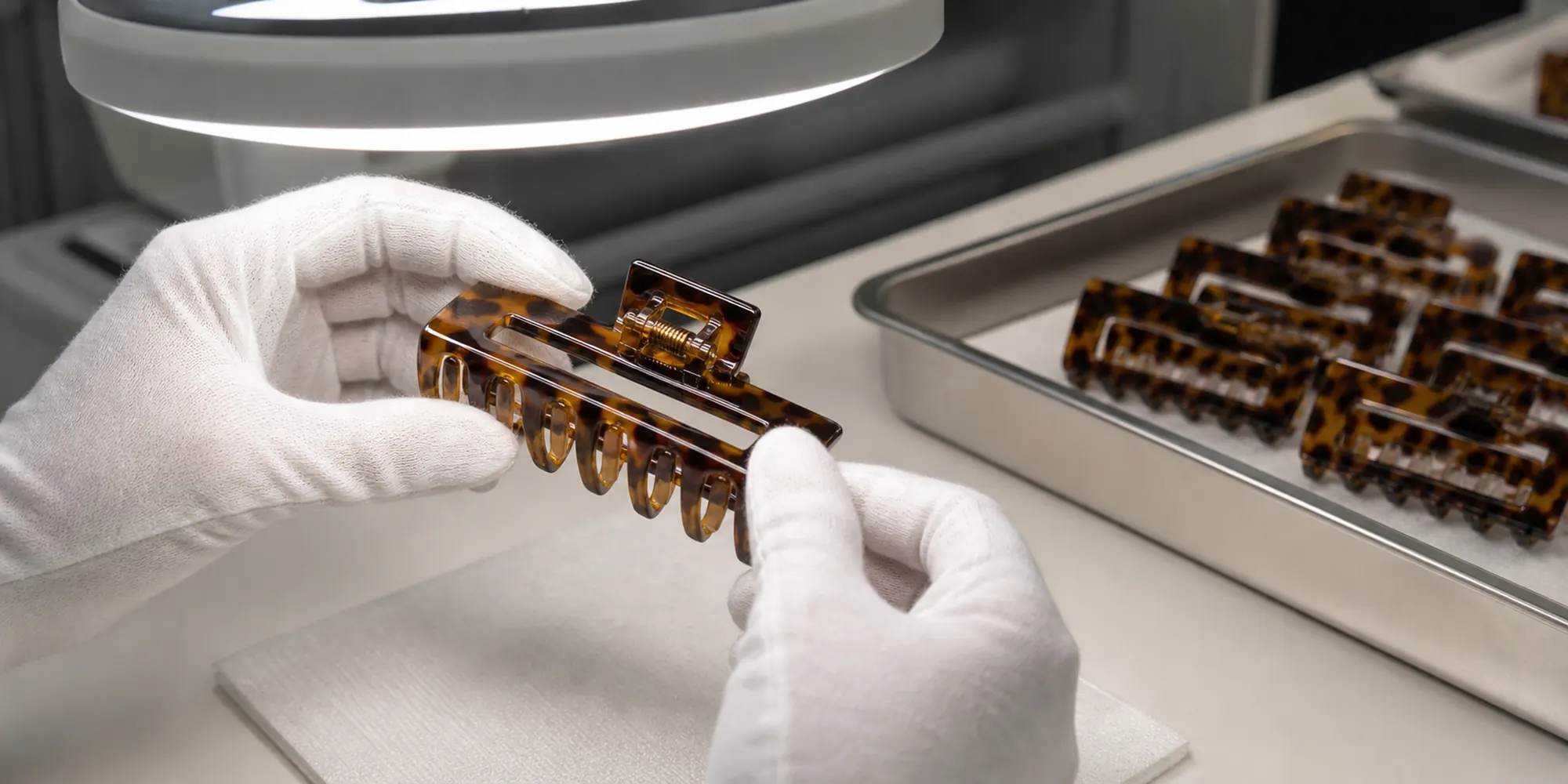
A manufacturer operates production processes. A trader purchases or arranges production and sells the goods. However, the name on a quotation does not describe every activity behind it. A manufacturing group can sell through a separate export entity, while a producer can also resell categories made elsewhere.
For a range of custom claw clips, qualify the supplier against the specific construction being ordered. Making an injection-molded jaw does not establish competence in every acetate, metal, or decorated clip in the catalogue. Equally, buying springs or packaging does not automatically turn an assembler into a trader.
The useful distinction is the supplier’s role in this order. Identify which company runs each important operation, which company coordinates outside work, and which seller owes the agreed result. Equipment ownership alone cannot answer all three questions.
A disclosed intermediary may provide useful coordination, particularly across several product families. A direct producer may provide closer technical access. Neither arrangement establishes the final cost, quality, or responsiveness in advance; those need comparison against the same specification and service scope.
Start with one proposed SKU rather than a tour of the whole showroom. Divide it into the jaw or base, surface treatment, bought-in components, assembly, and packing. Then identify the company and address responsible for each step. This turns “everything is in-house” into a description that can be checked.
The following table provides a responsibility map for a hypothetical decorated claw clip, rather than a claim about any particular factory.
| Operation | Identify | Useful Order Evidence |
|---|---|---|
| Jaw forming | Producing site | Drawing and part reference |
| Surface finish | Finishing site | Approved finish sample |
| Spring and pin | Component source | Component specification |
| Assembly and inspection | Assembling site | Assembly and check records |
Consider a clip with correctly formed jaws but uneven closure after assembly. A jaw sample alone cannot settle whether the finished assembly meets the requirement. The responsible supplier needs a way to investigate the component fit, assembly, and approved functional criteria together, including work performed outside its premises.
For example, a hypothetical order might assign jaw production to one site and decoration to another, with assembly returning to the first site. A second proposal might supply decorated, assembled clips through a trader. Comparing these offers requires the same finished-clip criteria and a clear owner of the handoffs; counting buildings or middlemen would miss that distinction.
Outsourcing becomes a purchasing risk when its boundaries are hidden. Record who approves an outside operation and how substitutions are communicated. An OEM/ODM hair-accessory development process should be discussed at this operation level, rather than accepted as a label meaning that every machine sits in one building.
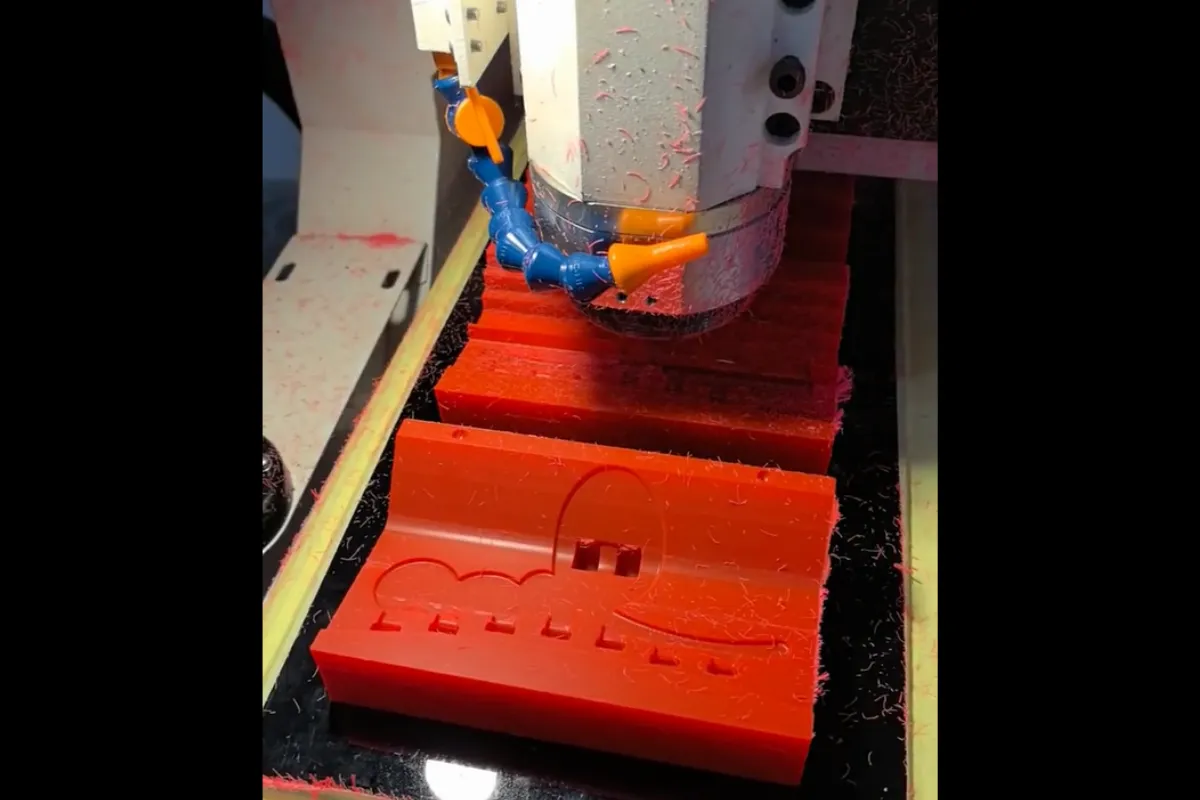
Collect the supplier’s Chinese legal name and registration identifier, then check its official registration record. The European Commission’s guide to searching Chinese company information explains that the national enterprise-credit system provides registration, legal-representative, business-scope, and location information.
Those fields help identify a company. They do not demonstrate that a particular order will run at a particular workshop. A manufacturing activity in the registered scope is a starting point for questions, not proof of operating machinery or finished-product quality. Obtain the actual production address separately and connect it to the entity operating the site.
Compare the proposed contract seller with the quotation, invoice, and payment beneficiary. Where names differ, request the relationship and the reason in writing. An export affiliate or another authorized arrangement needs its own verification; a familiar brand name cannot explain the transaction by itself.
Keep the factory address beside these commercial details. If a trader sells the clips, establish how the seller can obtain production records, arrange inspection access, and coordinate corrective work at the named site. A production address and a shipping address answer different questions, so neither should silently substitute for the other.
A useful response identifies each party’s role rather than simply saying that the companies are “partners.” Who can authorize a drawing change? Who accepts an inspection finding? Who must arrange replacement or rework under the proposed agreement? Have material contractual obligations reviewed for the transaction and jurisdiction involved; this identity check is not a legal determination.
A live walk-through can help connect an address, people, equipment, and work in progress. Ask the host to explain a comparable clip’s route through forming, finishing, assembly, and inspection. Where customer confidentiality restricts filming, agree a narrower view or independent visit instead.
However, a camera tour does not establish site ownership, reserved capacity, or future performance. Follow it with the relevant drawing revision, sample identification, inspection example, and an explanation of who controls changes. A detailed technical answer is useful, but response speed or fluent English does not determine whether the seller is a factory.
Make the evidence testable with one change request: for the proposed clip, ask how a different decoration would be reviewed and how the approved version would reach assembly. The answer should connect the revised reference, responsible person, affected operation, and subsequent inspection. Evaluate that chain of information rather than requiring the salesperson to recite a particular process number.
Check the named organization, covered sites, activities, validity, and issuer of any certificate used in supplier qualification. ISO’s explanation of accredited ISO 9001 certification distinguishes a quality management system from product certification and makes clear that certification does not ensure every product conforms.
Keep supplier qualification separate from order acceptance. An approved sample is a comparison reference, not evidence that the later batch already meets it. Canada’s Sourcing Road Map likewise warns that a good sample does not remove the need for production quality control. Use product-specific hair-accessory inspection checkpoints to define what will be examined, where, and against which approved reference.
Compare the support needed for the order before choosing a supplier model. A custom clip requiring repeated engineering changes creates different coordination work from a mixed collection using established designs. Assess the complete offer: development, inspection, packaging, consolidation, and the buyer’s own management time.
The comparison below focuses on access and responsibilities rather than assuming that one model always delivers a lower price.
| Arrangement | Potential Fit | Control To Establish |
|---|---|---|
| Direct producer | Product development access | Named technical decision-maker |
| Trading company | Coordinating several producers | Factory access and accountability |
| Producer plus export affiliate | Separate production and sales | Documented relationship and obligations |
Before commitment, bring the seller, producing site, process allocation, approved specification, and inspection arrangements into one consistent order file. Include how a proposed change of factory, component, or finishing subcontractor will be disclosed and reviewed. Otherwise, approval of the first sample can be mistaken for approval of an unidentified future production route.
For commissioned tooling, identify the tool holder and obtain the proposed ownership, maintenance, access, and transfer terms for review. Paying a seller and locating a physical tool are different facts. An email saying “buyer’s mold” leaves practical questions unanswered if the seller and tool-holding factory are separate companies.
Retain unresolved points beside the decision. A supplier may be suitable for an established clip while a proposed new finish still needs validation. Conditional approval makes that distinction visible and gives the next reviewer a precise issue to close, instead of a broad “factory verified” label.
Treat it as a prompt to examine the underlying assessment. Check the entity, location, activities, and assessment date actually covered. A profile label should not be expanded into confirmation that every catalogue item is made at the assessed site.
Discuss what can be disclosed under confidentiality arrangements or reviewed by an independent assessor. If the information needed to evaluate a critical process remains unavailable, record that limitation and decide whether the exposure is acceptable before committing. An unexplained gap cannot be closed by a general quality promise.
A reference can add context about a past relationship, but its product, factory, requirements, and order period may differ. With the reference’s permission, discuss relevant experience; then verify the proposed clip and production route separately. Another buyer’s approval does not define the acceptance criteria for a new order.
The factory vs trading company decision needs a named seller, a traceable production route, and clear responsibility for changes. JunYi Beauty, a Dongguan OEM/ODM manufacturer with over 25 years of experience, provides company background that buyers can evaluate alongside order-specific evidence.
👉 Searching for Hair Accessories ? Your brand deserves the best.