Home
Product
Contact
Odm/Oem
About
Hair scrunchies are elastic hair accessories covered with fabric that are meant to fix the hair without causing a lot of tension. You wear them to pull ponytails, buns or braids and use less stress on hair strands. In contrast to conventional hair ties that are elastic, the pressure of scrunchies is distributed across a broader area. This design allows avoiding breakage, creases, and painful pulling. The covering of soft fabrics also makes it less frictional to the cuticles of hair. You enjoy greater comfort and protection, particularly when you wear it over a long time.
The hair scrunchies were first developed in the late 1980s when Rommy Hunt Revson wanted more gentle hair accessories. She observed that metal and plastic ties broke, pulled and created lasting damages. Her motivation can be tracked to the frustrations of daily hair care. Revson invented the first cloth-covered elastic, which was later termed as the original prototype of the Scunci. She patented and industrialized mass markets. In the 1990s, the scrunchy was a universal fashion accessory. They are on the rise today due to the hair health awareness and changing fashion.
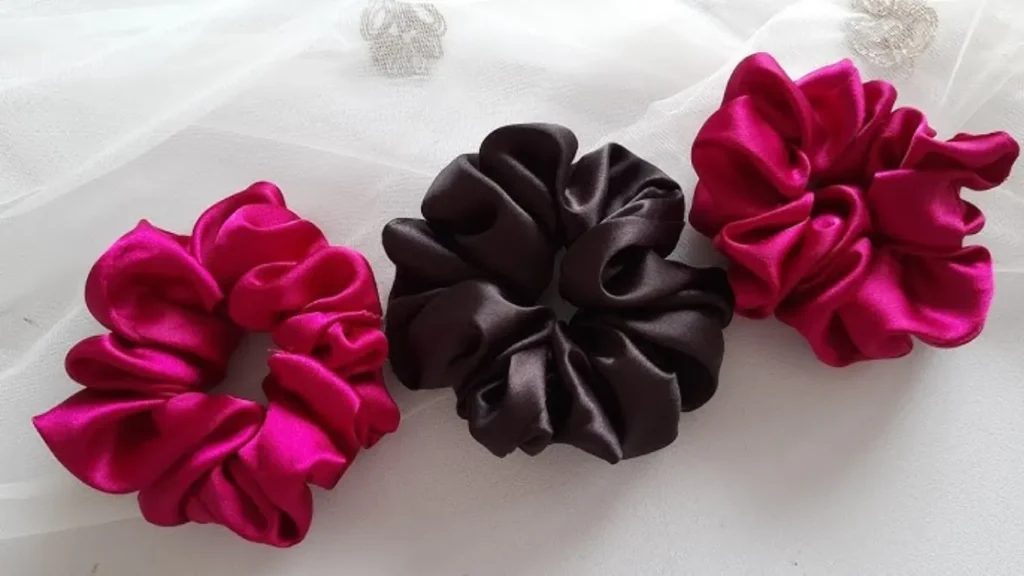
Silk scrunchies are manufactured out of mulberry silk using natural protein fibers. The low friction surface lessens friction and minimizes breakage during wear. They are not able to take up moisture, which assists hair in maintaining natural oils. You are most benefited when hair is fine, brittle or chemically treated.
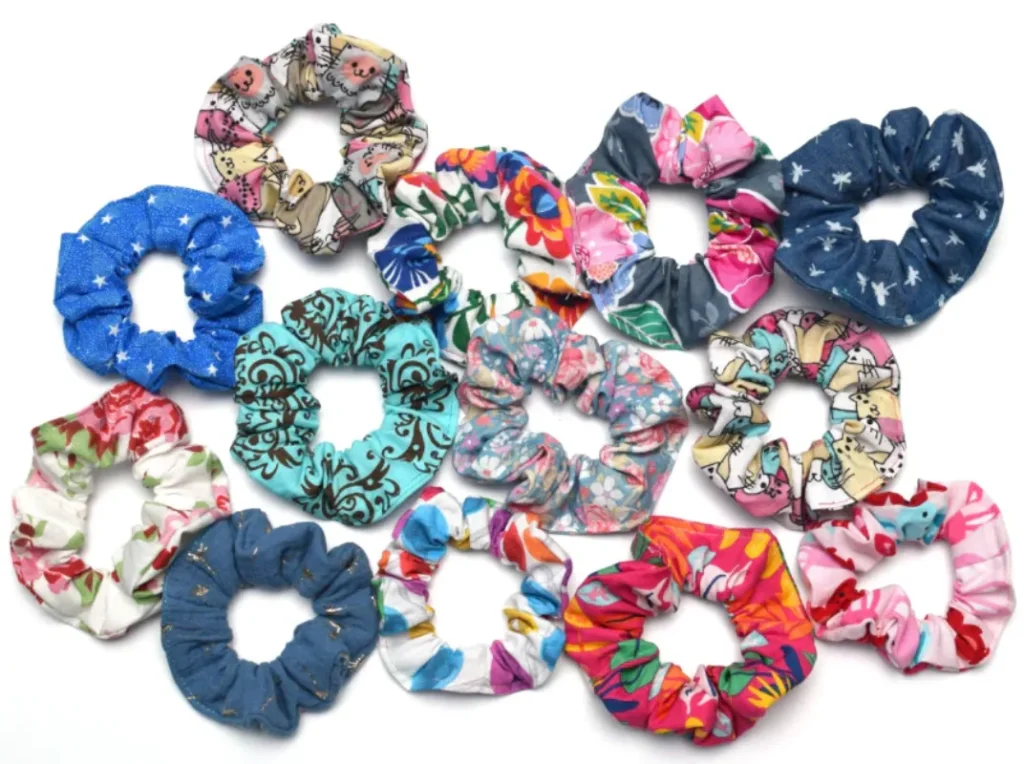
Cotton scrunchies are made of natural cotton that is soft and breathable. The material remains soft on sensitive heads and lessens irritation. They are easy to wash and cheaper to use on daily basis. You are to wear them in casual styles and normal hair comfort orientation.
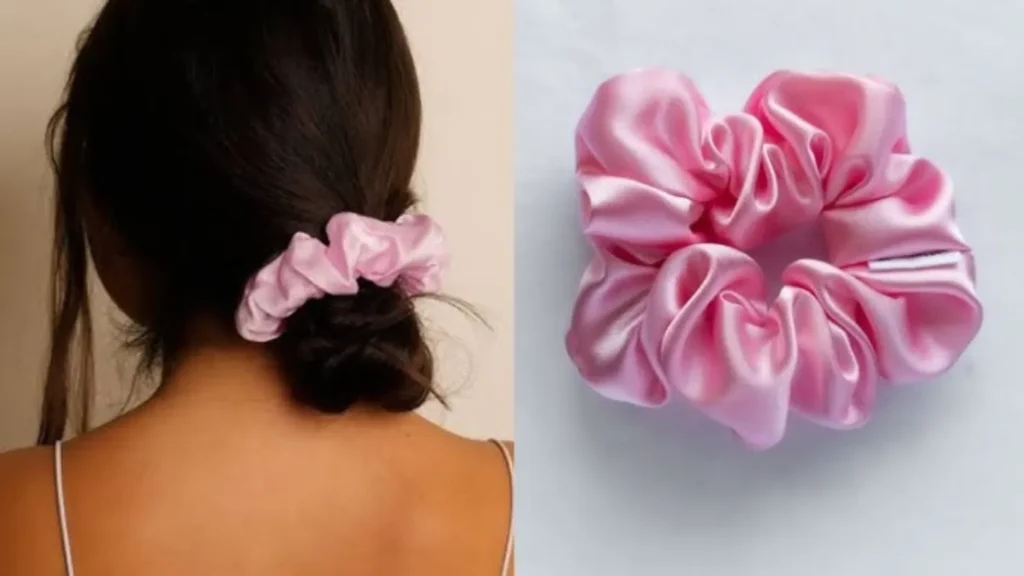
Satin scrunchies are made of smooth, glossy woven synthetic fiber. They imitate silk by minimizing friction and curbing frizz. Hair styles remain in place with less tension. You protect wavy or curly hair and save money than using silk.
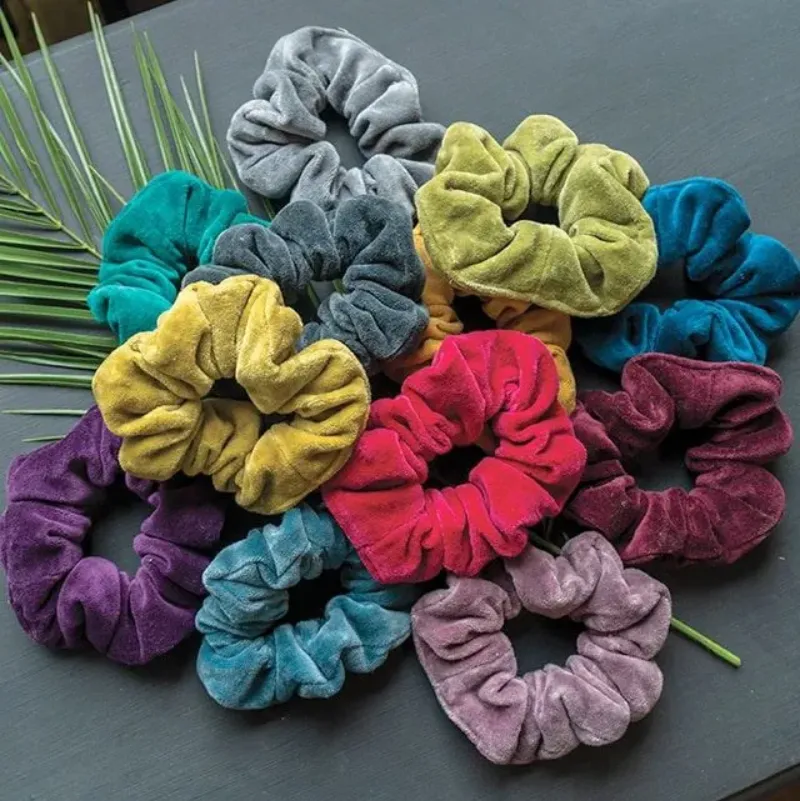
Velvet scrunchies are also dense in fabric and with a plushy feel. The material does not tighten hair through elastic force. It reinforces bulky styles and provides volume. When styling your hair, you should pick velvet in case of thick, curly, or high-density hair requirements.
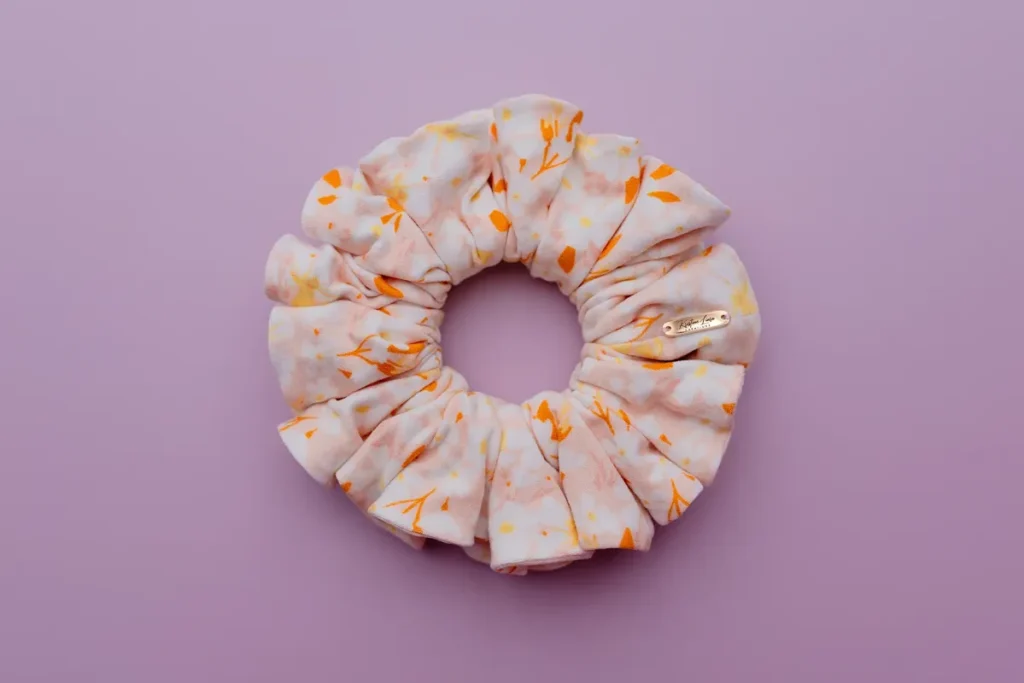
Polyester and jersey scrunchies are made with synthetic blends that are meant to be durable and stretchable. The touch depends upon the tightness of the weave and finishing. Such kinds are common in fashion lines. You can like them because of their stylish appearance and convenient daily hair management.
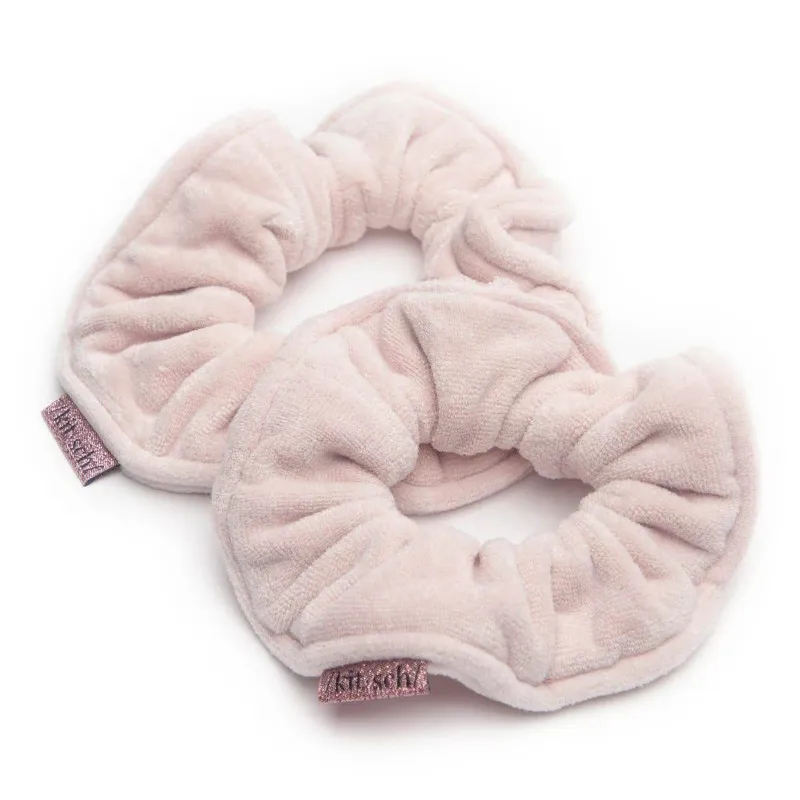
Microfiber scrunchies are made of very fine synthetic fibers that are highly absorbent. They take away moisture fast without abrasiveness. The material is lightweight, making it not to strain wet hair. They should be applied after bathing, exercising, or skincare, and this will make your daily hair care habits safer.
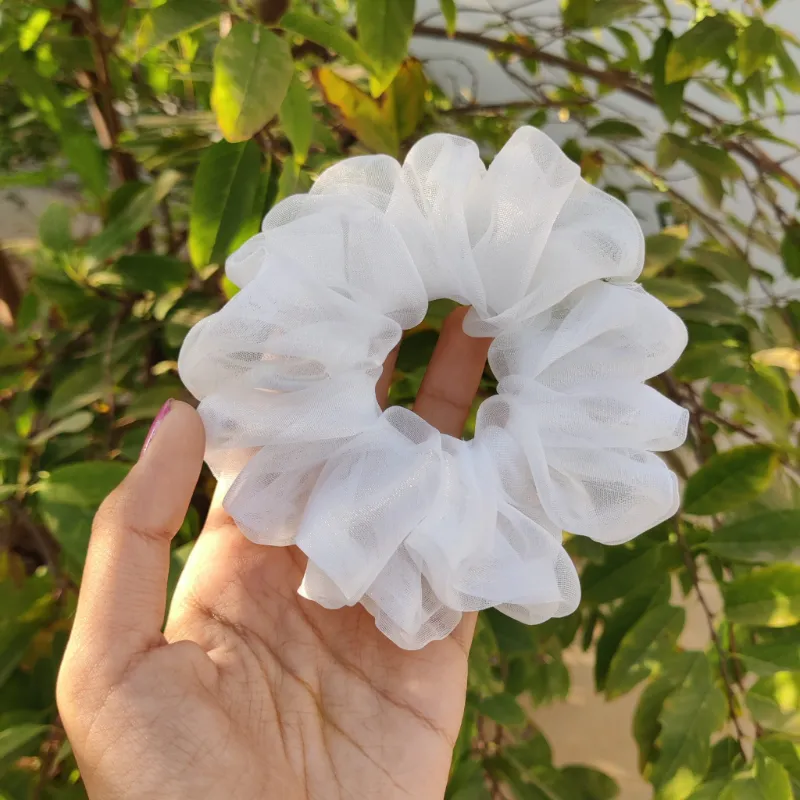
Specialty scrunchies are made out of special materials to style or serve purposes. Organza is sheer and faux leather bold. Terry cloth is a good moisture absorber. These options should be selected depending on the coordination of outfits, moisture requirements, or fashion statement during the styling moments.
Below is a detailed, step-by-step explanation of how a standard fabric scrunchie is made.
The material is sliced in a rectangular piece along the grain. The standard size of a medium scrunchie is about 2.5 inches wide and 22 inches long. Smaller scrunchies utilise shorter and thin strips whereas jumbo scrunchies utilise wider and longer strips. Proper cutting will result in straight gathers and a balanced end shape.
The short ends of the fabric strip are folded inwards along the wrong side of the fabric about a quarter inch. Such folded ends are sewn together to form neat finished ends. This will help to avoid fraying and will make the scrunchie look neat and professional.
The strip of fabric is folded in length with the right sides to meet. The fabric is held in place with pins. A straight stitch is sewed along the long edge with a quarter-inch seam allowance to create a long fabric tube.
When it is sewn, the fabric tube becomes inside out. A blunt instrument like a pencil, chopstick or the like is usually used to push the fabric through itself. This step is used to demonstrate the outer fabric that will appear on the final scrunchie.
The fabric tube is turned and pressed a couple of times in an iron to flatten it and iron out seams. Pressing makes the scrunchie fit well and final assembly is less difficult and more accurate.
A strip of 1/4-inch elastic, which is typically 9 inches long, is cut. An elastic with a safety pin or a piece of tape is attached to one end of, and the elastic is looped through the piece of fabric. Caution is observed to hold on the other end such that the elastic does not go down the tube.
When the elastic is completely run through the fabric tube, the two ends of the elastic are knotted. This forms the stretch mechanism which enables the scrunchie to wrap around hair in a secure manner.
One of the ends of the fabric tube is completed by tucking the other end inside the tube. The seams are matched and the opening is sewn along the existing stitch line. This last seam is a continuation and completes the elastic.
Classic Fabric Scrunchies
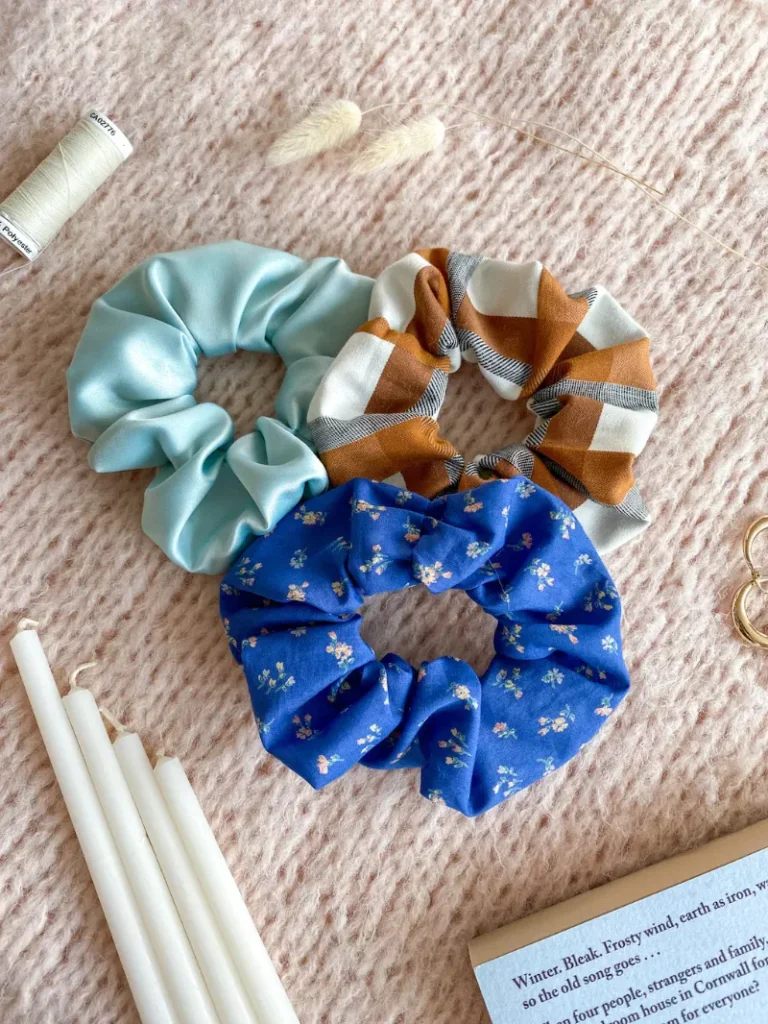
Traditional fabric scrunchies have soft cloths over elastic cores to use on a daily basis to style the hair. They have numerous fabrics, colors, and textures. You have easy grip without catching. They are suitable to normal, fine or slightly wavy hair of normal length.
Elastic Scrunchies
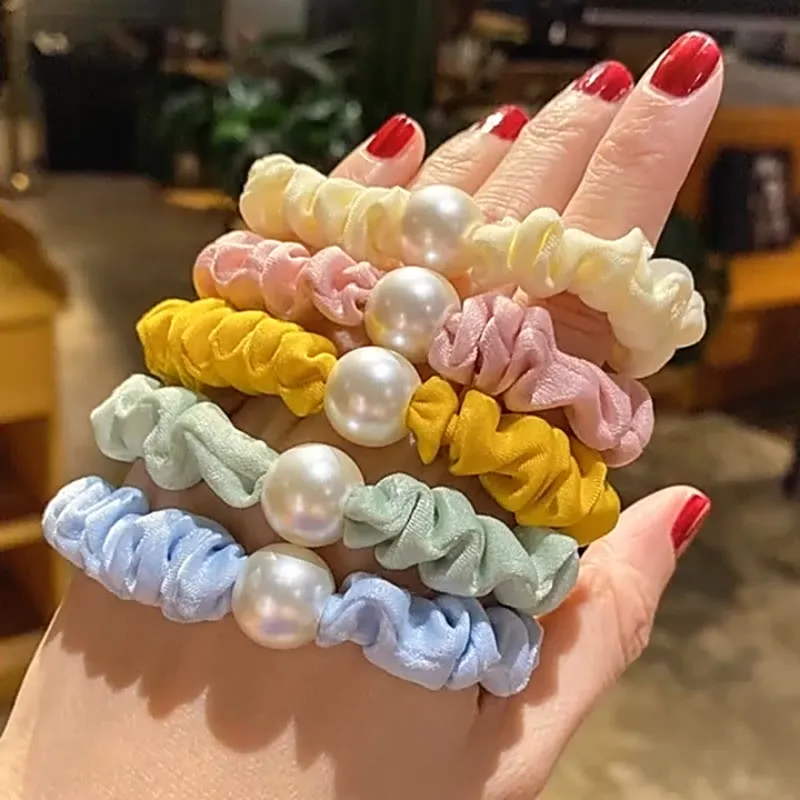
Elastic scrunchies are made of a mix of elasticity and a fabric wrap to provide a higher level of tension control. They provide safe grip on movement and alleviate hair tension. You have the comfort and stability. They are appropriate to wear daily thick, curly or active lifestyle hair.
Tails or Scarf Scrunchies
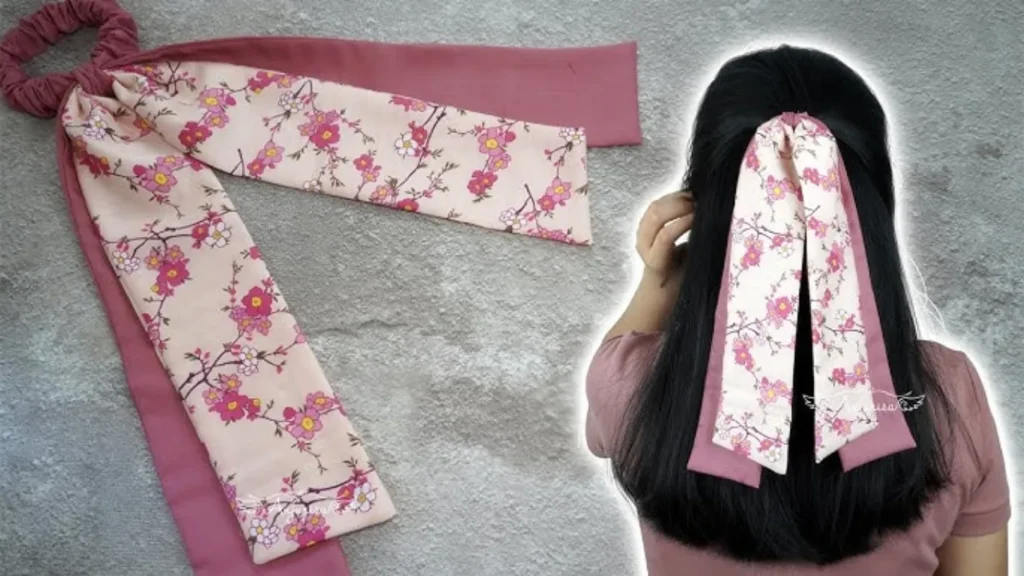
Tail-shaped scrunchies or scarves have extensions of decorative fabric that are free-flowing. They provide motion, touch, and aesthetics. You make emotive hair styles with ease. They fit medium to long hair when one wants to look casual, at events, parties, or style in general.
Oversized / Jumbo Scrunchies
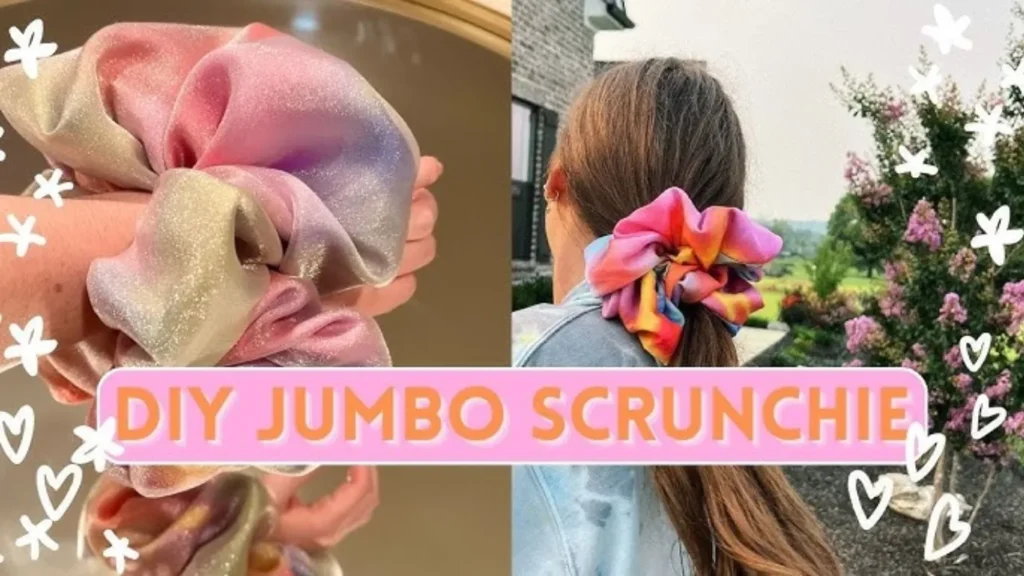
Jumbo or oversized scrunchies apply additional fabric and elastic to create large volume effects. They develop statement appearances using visible texture. You become more present and dominant. They are applicable to thick, long, or dense hair that requires support and dramatic effect in styling in general.
Mini Scrunchies
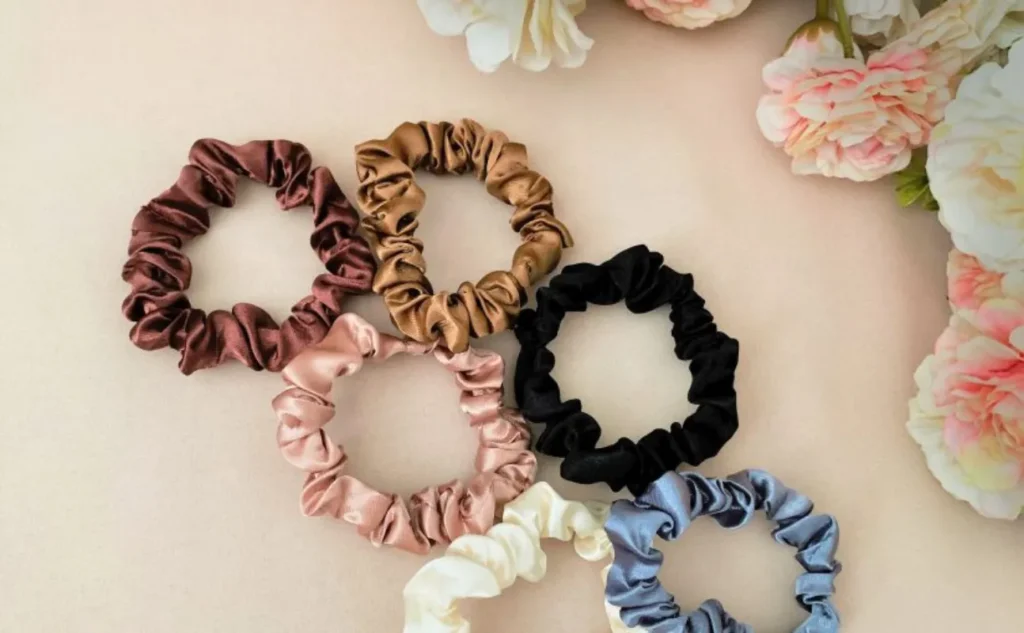
Mini scrunchies have smaller cores of elastic in lightweights to hold lightly. They are soft and non-obtrusive. You handle sensitive parts in an orderly manner. They are appropriate with slender hair, short cuts, children or extensive braids and half-up styles to wear every day with gentle use.
| Feature / Aspect | Hair Scrunchies | Traditional Hair Ties |
| Structure & Material | Fabric-covered elastic core provides soft outer surface and padded grip. | Exposed rubber or plastic band with minimal surface padding. |
| Surface Contact | Wider contact area spreads pressure evenly across hair. | Narrow contact area concentrates force on small strands. |
| Friction Level | Reduced friction due to fabric layer, smoother on hair strands. | Higher friction; raw rubber/plastic can snag or catch hair. |
| Hair Tension | Gentle hold with less tightness. Suitable for everyday styles. | May grip tightly; can create tension headaches or pulling. |
| Hair Health Impact | Lowers risk of breakage, split ends, and hair creases. | Higher risk of hair damage, creases, and breakage with frequent use. |
| Removal Ease | Easy to remove without pulling or snagging hair. | Can tug at strands and cause discomfort on removal. |
| Best Situations | Great for daily wear, casual styling, and preserving hair quality. | Useful in sports or situations needing brief, strong hold. |
| Limitations | Slightly less secure for vigorous activity. | Strong hold but harsher on hair and scalp over time. |
Hair Scrunchies vs. Hair Ties – Concept, Key Differences and More
Hair scrunchies are easy to use, fashionable and soft on your hair. You can wear them in casual attires, stylish hairstyles or fancy updos. The following are some of the trendy ways to wear scrunchies.
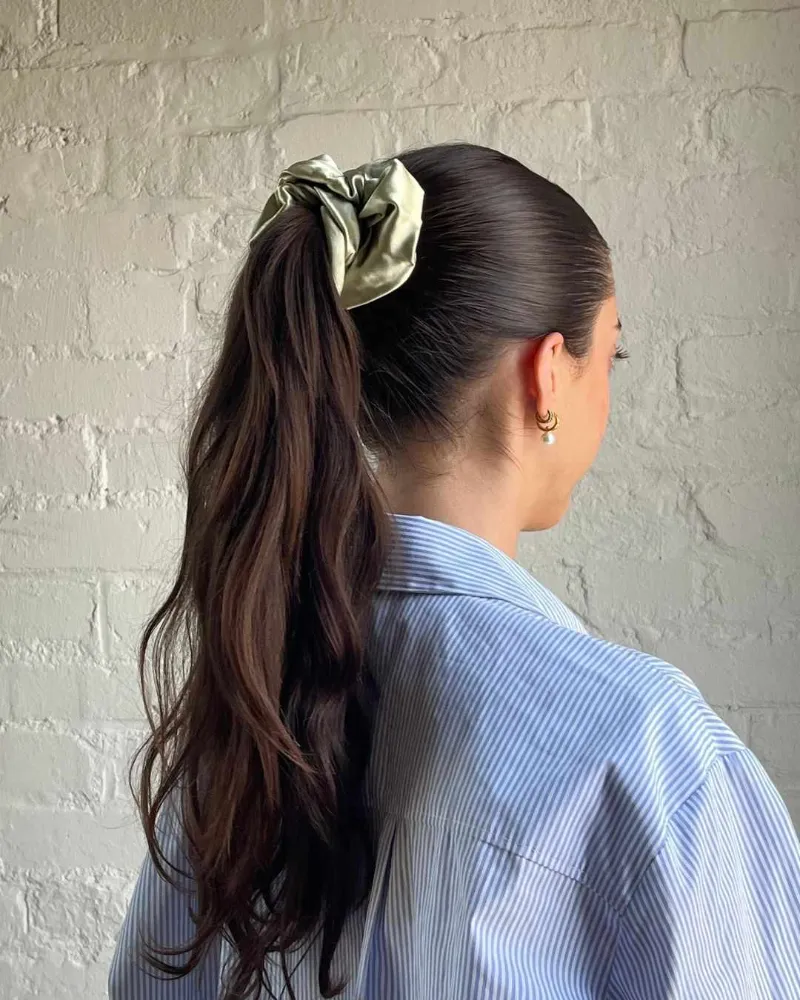
Step 1: Take your hair and draw it up in a ponytail in the height you want.
Step 2: Twist the scrunchie around the bottom of the ponytail one or two times, depending on the thickness of your hair and your scrunchie.
Step 3: Move the location of the ponytail – higher to appear playful, lower to look sleek and sophisticated.
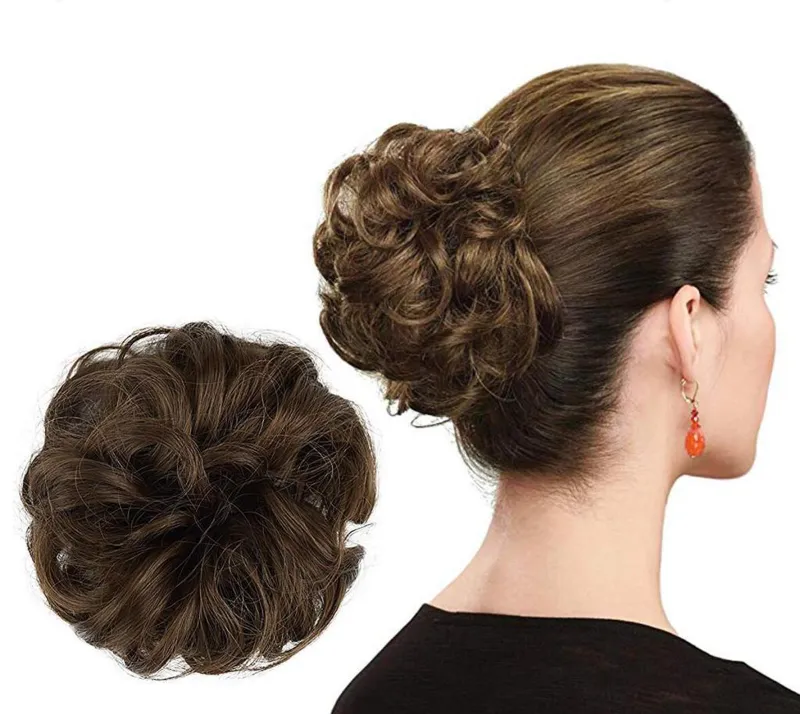
Step 1: Secure your hair in a high ponytail on your head.
Step 2: Bend the majority of hair (approximately 90 percent) inside the scrunchie, and leave the ends untied to create a bun.
Step 3: One more time wrap the scrunchie around your hair to fix the bun. Tuck loose strands towards a careless appearance.
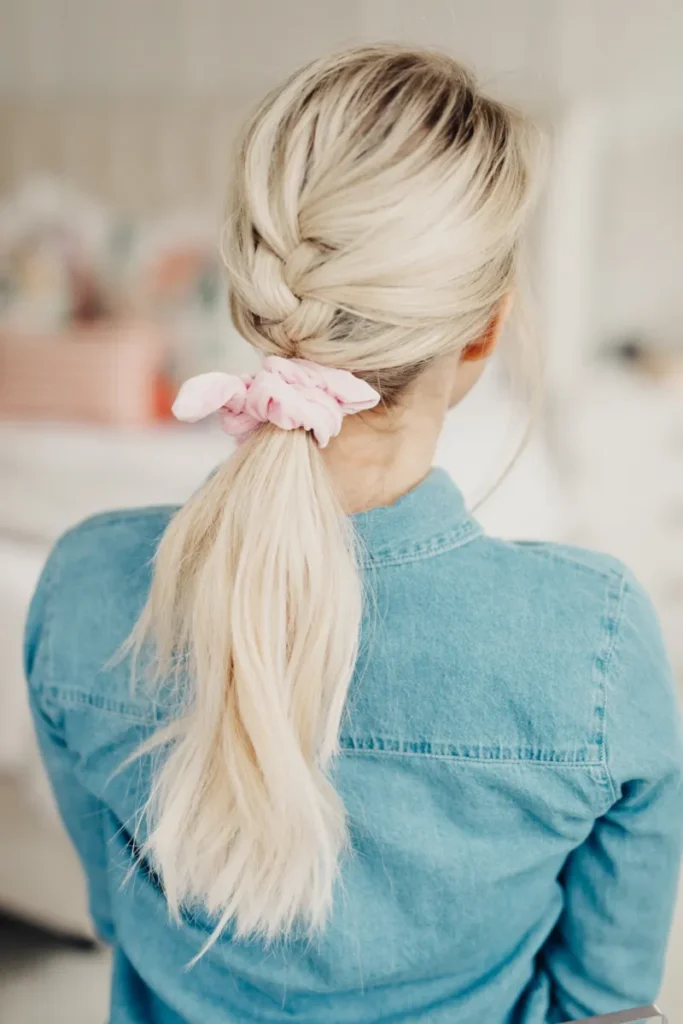
Step 1: Part your hair in three and start a standard braid.
Step 2: Add small portions of hair on the right side to the middle strand and vice versa. This do again up the head.
Step 3: When you are at the nape of your neck, use a scrunchie to hold the braid in place. Gently pull parts in case of volume addition.
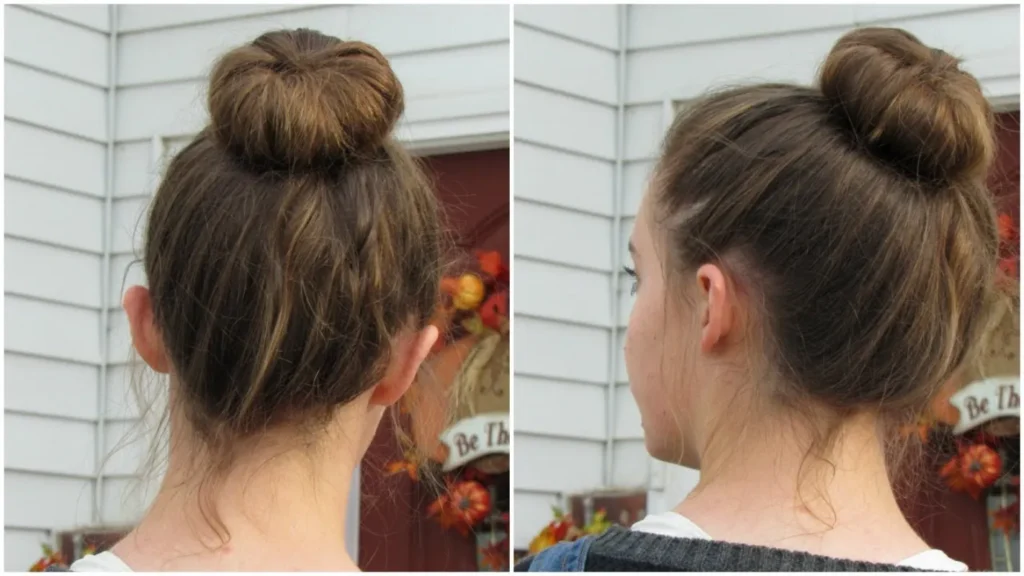
Step 1: Pull your hair to the back of your head in the form of a ponytail and begin to twist it into a small bun.
Step 2: Take a scrunchie and wrap it around the twisted bun. The scrunchie hides the additional strands and maintains the bun.
Step 3: Tuck in/involuntary hairs to create a clean and sophisticated appearance.
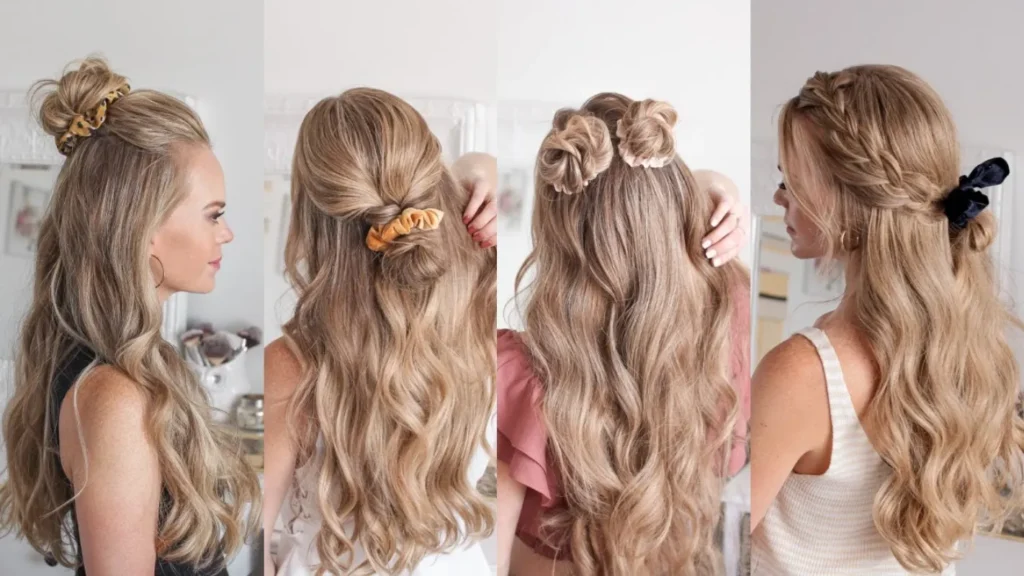
Step 1: Gather the upper part of your hair above the temples and leave the rest of the hair hanging down.
Step 2: Style the hair into a messy bun, leaving a few of your hair strands to be loose.
Step 3: Wrap your scrunchie around the bun and pull approximately 90 percent of the hair through it. Twist and wrap the scrunchie once more to secure it.
Step 4: Tuck the loose pieces of hair and the bun to make it appear layered and voluminous.
Less Breaking and Friction of Hair
Scrunchies are produced using light fabrics such as silk and satin. They slide easily over hair, thereby minimizing friction, and avoiding the snapping of strands. Regular use reduces the amount of breakage and makes your hair healthier and longer.
Decreased Tension to Hair Follicles
They do not exert pressure on one strand of hair as tight elastics do. This will lead to reduced strain to the follicles hence less likelihood of having headache and loss of hair because of the constant tension.
Suitable for All Hair Types
Scrunchies are suitable with fine, thick, curly, or straight hair. Their elastic structure grips the hair without dragging it, allowing it to be used in everyday life and in style.
Prevents Hair Dryness
Soft materials also do not absorb natural oils enabling the hair to retain its moisture. It helps keep the strands smooth, shiny and hydrated and all through the day.
Unites Function and Fashion
Scrunchies come in unlimited amount of colors and patterns. They complement your fashion and style, hair-in-place, and covered, and style and functionality.
Fine or Fragile Hair
Satins and silk scrunchies slide on and put less friction on the hair and do not break it. They can be worn without tugging and straining delicate strands and leave your hair healthy and sleek.
Thick or Curly Hair
Strong-hold or velvet elastic scrunchies give good hold to thick or big hair. Your hair can be styled in any way, and it will not create tension or flatten curls throughout the day.
Wavy or Textured Hair
Satin scrunchies are used to retain natural curly hairstyles and reduce frizz. It is possible to tie hair smoothly and avoid kinks or undesirable dents in waves or textures.
Active or Daily Use
Microfiber and elastic scrunchies are flexible and durable to use in everyday life. You are free to move around with hair in check and covered even in exercising or going on errands.
Sleep or Overnight Hair Protection
Silk or satin scrunchies cause less friction during sleep. You can avoid breaking it, preserve the moisture and you can wake up with smooth, crease-free hair.
Hair scrunchies are an all-around and necessary item in all hair types. Their fine materials, such as silk, satin, cotton, and velvet, offer good grip, less friction, and breakage. You can mix function with fashion easily, with an infinite number of varieties, that run the gamut between mini to jumbo, classic to decorative. Scrunchies keep hair safe throughout everyday activities, as well as exercise or sleep, and maintain stacked styles. The selection of the ideal scrunchie to match your hair type promotes hair health, comfort, and style, and they are eternal and applicable cross-generational.
👉 Searching for Hair Accessories ? Your brand deserves the best.