Home
Product
Contact
Odm/Oem
About
Confused about whether to grab a hair band or a headband for your next hairstyle? You’re not alone. Many people use the terms interchangeably, but in 2026 these two accessories serve completely different purposes—one focuses on functional hold while the other delivers bold style. This ultimate guide breaks down the real differences, shares practical pros and cons, and delivers fresh styling ideas tailored to current trends like tortoiseshell accents and updated coquette details. Whether you have thin hair, thick curls, or want something for the gym, you’ll find clear advice to choose the right piece and avoid common mistakes like hair damage or slipping accessories.
A hair band is a narrow, flexible loop designed primarily to secure hair in place. It typically sits near the hairline or at the nape of the neck and works best for ponytails, buns, or keeping stray strands tidy during active moments. Made from stretchy fabrics or covered elastics, these bands prioritize grip over decoration. In everyday life they shine for workouts, quick updos, or even sleep routines where you need reliable hold without bulk.
A headband is a wider, often more structured piece that rests across the forehead or top of the head. Its main role is decorative or practical for keeping hair away from the face while adding a polished or trendy finish. Materials range from velvet and satin to lightweight plastics or tortoiseshell patterns. In 2026, headbands are making a strong comeback in preppy and minimalist looks, offering both style and light coverage for flyaways.
To make the choice crystal clear, here is a straightforward comparison:
| Feature | Hair Band | Headband |
|---|---|---|
| Width | Narrow (0.5–1.5 cm) | Wide (3–8 cm or more) |
| Elasticity | Highly stretchy | Moderate to low (structured fit) |
| Placement | Nape or hairline | Across forehead/top of head |
| Primary Use | Secure ponytails & buns | Style + keep hair off face |
| Best For | Sports, casual, quick fixes | Fashion, office, events |
| 2026 Trend Focus | Silk-covered for hair health | Tortoiseshell & coquette bows |
| Price Range | $5–$15 | $10–$40 |
This table highlights why one is not simply a substitute for the other—hair bands excel at invisible function, while headbands steal the spotlight.
Hair bands usually rely on elastic cores wrapped in soft fabric or silk to reduce friction. This makes them durable for daily stretching but can sometimes leave marks if too tight. Headbands lean toward rigid or semi-rigid bases like acetate, velvet, or lightweight metal with teeth for grip. In 2026, both categories feature eco-friendly bamboo and satin options that prioritize hair health. Tortoiseshell patterns dominate headbands for their timeless appeal, while silk hair bands gain popularity for preventing breakage on color-treated or fine hair.
Hair Band Pros: Excellent grip that stays put during yoga or running; compact and easy to store; affordable; silk versions protect delicate strands. **Hair Band Cons:** Can tug on roots if overused; visible indentations on sleek styles; less decorative.
Headband Pros: Adds instant polish and frames the face beautifully; comfortable pressure distribution for all-day wear; huge variety in colors and textures for 2026 trends.
Headband Cons: May slide on fine or oily hair; bulkier for very active days; higher price for premium designs.
Choosing based on your routine helps you avoid the frustration of constant readjusting or unexpected hair pull.
Follow this simple 8-step checklist:
1. Assess your hair type (fine needs silk; thick loves wide support).
2. Consider face shape (oval suits narrow; round benefits from height).
3. Match the occasion (gym = hair band; meeting = headband).
4. Think about season (breathable fabric for summer).
5. Factor in gender and age (men’s athletic bands or kids’ fun prints).
6. Set your budget.
7. Prioritize hair health (avoid tight elastics).
8. Check 2026 trends for personal style alignment.
For everyday looks, pair a slim hair band with a low bun for effortless clean-girl energy. In the gym, moisture-wicking hair bands keep sweat at bay without slipping. For weddings, embellished headbands with subtle pearls elevate any updo.
2026 highlights include: tortoiseshell headbands channeling classic chic, updated coquette bows on wider bands for a softer romantic touch, and satin hair bands that double as overnight protectors. Preppy neutral palettes and oversized yet lightweight silhouettes dominate street style. Mix a velvet headband with a sleek ponytail for office-to-evening versatility.
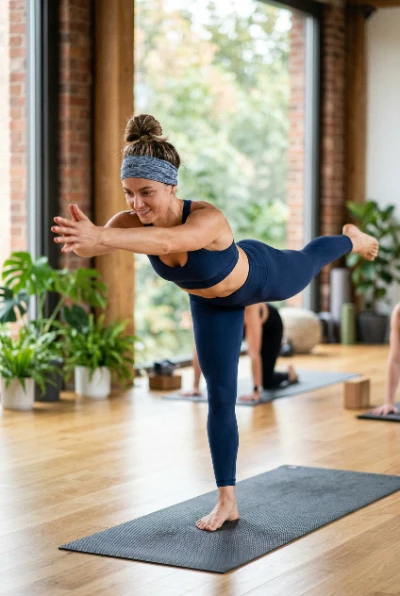
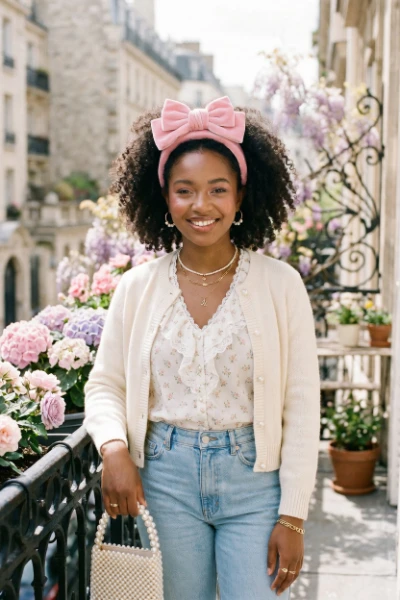
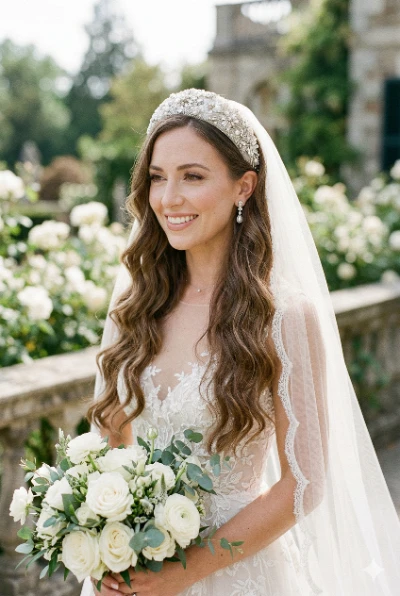
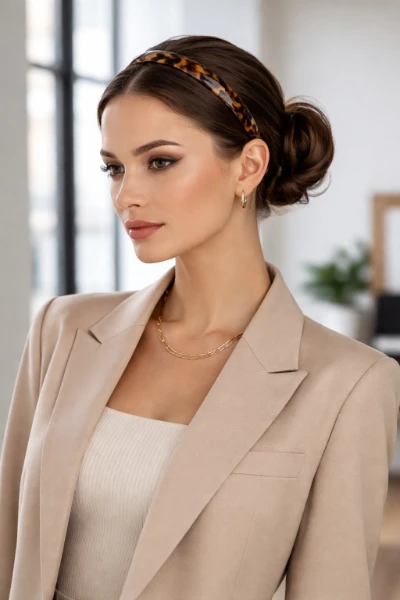
Fine or thin hair benefits from lightweight silk hair bands that add gentle volume without weighing down strands. Thick or curly textures love wider headbands with teeth for secure hold that reduces frizz. Men’s athletic hair bands focus on sweat control and minimal visibility, while children’s options feature playful prints and soft materials. Inclusive 2026 designs now cater to all textures and lengths with adjustable fits.
Wash fabric bands gently by hand and air-dry to preserve elasticity. Store headbands flat to avoid bending. Look for bamboo or recycled materials to stay sustainable. For healthier hair, always choose silk-lined options—they cut down on friction and static, especially important in 2026 when protective styling is a major focus.
Quick DIY: Wrap an old elastic with leftover silk fabric for a custom hair band, or glue subtle charms onto a plain headband for instant 2026 flair. When buying, check for non-slip grips, read reviews on durability, and test fit in-store if possible. Budget-friendly picks start under $10; premium tortoiseshell or silk versions offer better longevity.
Q: Can a hair band damage my hair?
A: Only if it’s too tight or worn daily without breaks. Opt for silk-covered versions to minimize breakage.
Q: Which is better for sports—hair band or headband?
A: Hair bands win for secure ponytails during movement; headbands suit lighter cardio where style matters.
Q: Are tortoiseshell headbands still trending in 2026?
A: Absolutely—they remain a timeless favorite with fresh neutral and blonde variations.
Q: How do I stop a headband from slipping?
A: Choose styles with internal teeth or grip strips, and apply a touch of dry shampoo at the roots for texture.
Q: Can men wear headbands?
A: Yes—modern athletic and minimalist designs look sharp on shorter or longer styles.
Q: What’s the best material for curly hair?
A: Satin or silk headbands and hair bands reduce frizz and protect delicate curls.
Q: Are hair bands or headbands more affordable?
A: Hair bands usually cost less, but both categories have options across every budget.
Q: Can I wear both at once?
A: Yes! A hair band for hold underneath a decorative headband creates layered 2026 looks.
Q: How do I clean velvet headbands?
A: Spot clean with mild soap and a soft cloth—avoid machine washing.
Q: What 2026 color trends should I watch?
A: Soft pastels, classic tortoise, and rich velvets in neutrals dominate.
Hair bands deliver reliable function while headbands bring standout style—pick based on your daily needs and 2026 trends for the perfect match. Experiment with the tips above and you’ll never second-guess your accessory choice again.
👉 Searching for Hair Accessories ? Your brand deserves the best.